

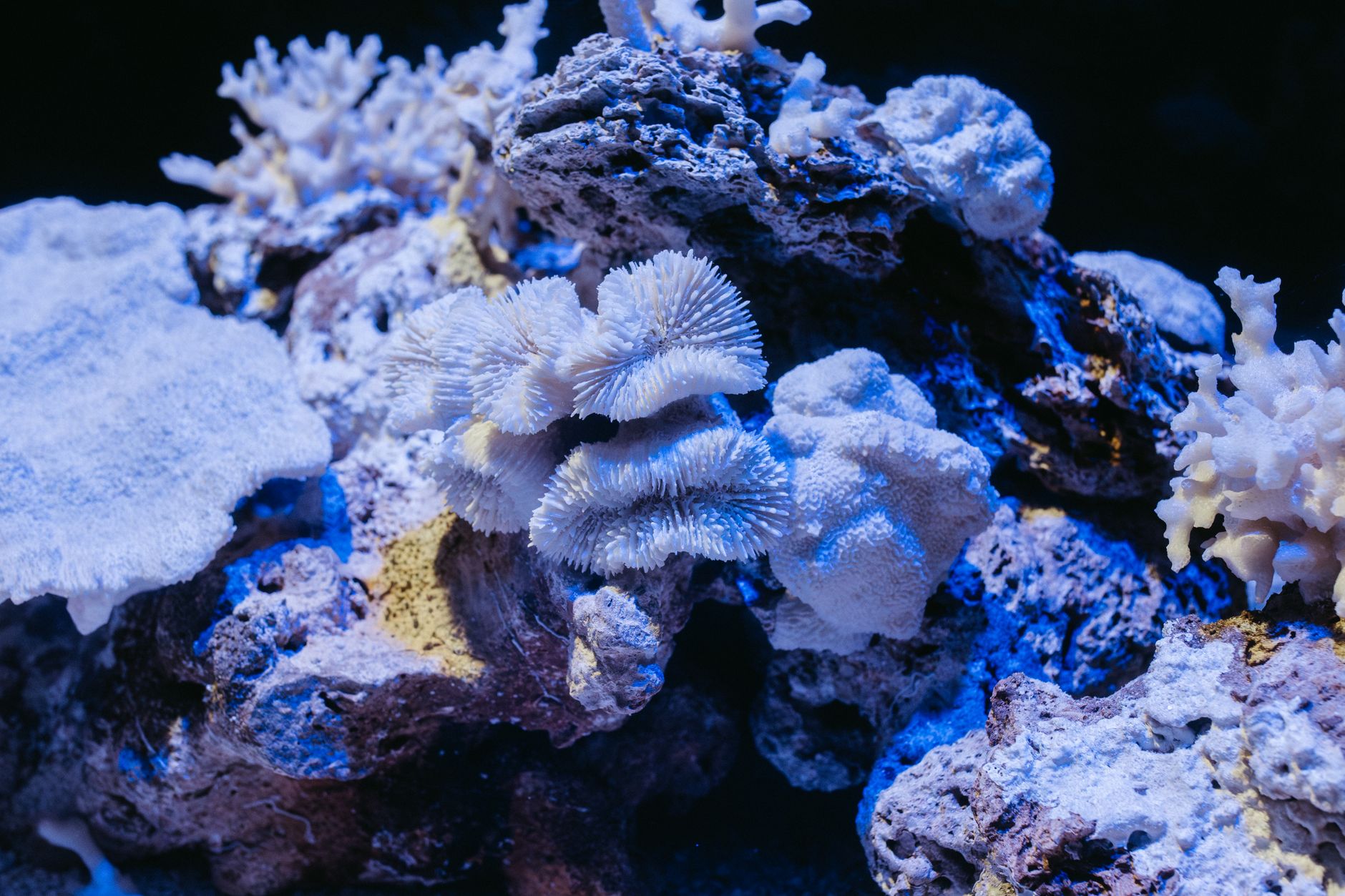
South Korean corals are experiencing a troubling decline, worrying divers and scientists alike. This issue highlights the urgent need for climate change awareness and action.
Overview of South Korean corals
South Korean corals are experiencing a significant decline, raising alarms among scientists and divers alike. These vital marine ecosystems, which support diverse marine life, are under threat due to various environmental factors. The health of coral reefs is often considered an indicator of ocean health, and the current situation in South Korea is worrisome.
Coral reefs in this region have been facing challenges such as:
- Rising ocean temperatures
- Increased pollution levels
- Coastal development activities
Recent studies indicate that certain species of corals are bleaching at alarming rates, which not only affects their survival but also impacts the entire marine ecosystem dependent on them. The decline of South Korean corals could have far-reaching consequences for local fisheries and tourism industries, both of which rely on a healthy marine environment.
In light of these developments, scientists are urging for immediate action to protect these fragile ecosystems. As researchers continue to monitor the situation, the need for sustainable practices and conservation efforts has never been more critical.
Impact of climate change on marine ecosystems
The impact of climate change on marine ecosystems has become increasingly evident, particularly for South Korean corals. Rising ocean temperatures, coupled with acidification, are threatening the delicate balance of these vibrant ecosystems.
Coral bleaching is one of the most visible consequences, as stressed corals expel the algae that provide them with color and nutrition. This phenomenon has severe repercussions, not just for the corals themselves, but for the myriad of species that depend on them for habitat and food.
Researchers have noted that South Korean corals are experiencing unprecedented deterioration, which signals a broader environmental crisis. The loss of coral reefs can lead to:
- Reduced biodiversity, affecting fish populations and other marine life.
- Increased coastal erosion, as reefs act as natural barriers against waves and storms.
- Negative impacts on local economies that rely on fishing and tourism.
As scientists continue to study these trends, the urgency for action has never been clearer. Protecting South Korean corals is essential for the health of marine ecosystems and the communities that depend on them.
Scientific studies on coral health
Recent scientific studies have raised concerns about the health of South Korean corals, revealing alarming trends that could have far-reaching implications for marine biodiversity. Researchers have documented a significant decline in coral cover, which is critical for sustaining healthy ocean ecosystems.
One study highlighted the impact of rising sea temperatures on coral bleaching, a phenomenon that occurs when corals expel the symbiotic algae living in their tissues, leading to a loss of color and vital nutrients. This process not only weakens the corals but also disrupts the entire marine food web.
Moreover, scientists have noted that increased ocean acidity, a direct result of climate change, further exacerbates the vulnerability of South Korean corals. The weakening of coral structures poses a threat to the habitats of numerous marine species that rely on these ecosystems for survival.
As researchers continue to monitor the situation, it is becoming increasingly clear that immediate action is needed to protect these vital ecosystems.
In conclusion, the health of South Korean corals serves as a stark reminder of the ongoing challenges posed by climate change and the urgent need for conservation efforts.
Diver experiences and concerns
Divers in South Korea are expressing growing concerns about the alarming decline of South Korean corals. Many seasoned divers report witnessing firsthand the stark changes in coral reefs, which serve as vital ecosystems for marine life. These divers often note that the vibrant colors and diverse species they once encountered have diminished significantly over recent years.
One diver, who has explored these waters for over a decade, shared his experience: “It’s heartbreaking to see the corals fading away. What used to be a lively underwater garden is now a somber landscape.” As divers immerse themselves in these waters, they are increasingly aware of the fragility of these ecosystems and the urgent need for conservation efforts.
In addition to the visual changes, divers report a noticeable decrease in fish populations that rely on these corals for habitat and food. The decline in South Korean corals not only threatens marine biodiversity but also impacts local tourism and fishing industries.
Many divers are advocating for more protective measures and sustainable practices to help preserve these underwater treasures for future generations.
Conservation efforts for coral reefs
As the alarming decline of South Korean corals continues to raise concerns, various conservation efforts are being implemented to safeguard these vital ecosystems. Local governments, non-profit organizations, and researchers are collaborating to develop strategies aimed at restoring coral populations and enhancing marine biodiversity.
One significant initiative involves the establishment of marine protected areas (MPAs), which aim to limit human activities that can harm coral reefs. Within these zones, fishing and coastal development are restricted, allowing marine life to thrive without interference. Additionally, restoration projects are underway, focusing on coral transplantation and the cultivation of resilient coral species.
Education and community engagement play crucial roles in these conservation efforts. Local communities are being encouraged to participate in monitoring coral health and are provided with resources to promote sustainable practices. Furthermore, awareness campaigns highlight the importance of South Korean corals and the need for collective action to protect them.
While challenges remain, these concerted efforts signify a hopeful step towards reversing the decline of South Korean corals and ensuring their survival for future generations.
The role of biodiversity in ocean health
The alarming decline of South Korean corals serves as a crucial reminder of the interconnectedness of marine biodiversity and ocean health. Biodiversity plays a vital role in maintaining the resilience of coral ecosystems, allowing them to adapt to changing environmental conditions. Healthy coral reefs support a myriad of marine species, providing habitat, food, and breeding grounds.
However, the degradation of coral systems can lead to a cascading effect on marine life. When coral populations diminish, the entire ecosystem suffers, affecting fish populations and other marine organisms that rely on these reefs. The loss of species diversity can weaken the overall health of the ocean, making it more vulnerable to threats like pollution and overfishing.
Moreover, the decline of South Korean corals is indicative of broader global trends, as many coral reefs worldwide face similar challenges. Scientists emphasize the need for comprehensive conservation strategies that prioritize biodiversity. Protecting these essential ecosystems not only benefits marine life but is also crucial for human communities that depend on healthy oceans for their livelihoods and well-being.
- Coral reefs support diverse marine species.
- Loss of biodiversity affects ocean health.
- Conservation is critical for ecosystem resilience.
Future implications for marine life
The alarming decline of South Korean corals poses significant future implications for marine life in the region. As coral reefs serve as essential habitats for numerous marine species, their deterioration could lead to cascading effects throughout the ecosystem.
Corals not only provide shelter but also support food webs and contribute to the overall biodiversity of the oceans. A declining coral population may result in the loss of various fish species that rely on these reefs for spawning and protection. This, in turn, could disrupt local fisheries, impacting communities that depend on marine resources for their livelihoods.
Moreover, the decline of South Korean corals can alter the physical environment of marine ecosystems. For instance, the loss of coral structures may lead to increased coastal erosion and reduced protection against storm surges, further threatening coastal communities and infrastructure.
Scientists emphasize the urgent need for conservation measures to protect these vital ecosystems. By fostering awareness and promoting sustainable practices, there is hope to mitigate the impacts of climate change and preserve the rich marine biodiversity that South Korean corals support.
Community involvement in coral protection
The alarming decline of South Korean corals has prompted local communities to take action in their protection and restoration. In various coastal regions, residents are actively engaging in initiatives aimed at preserving these vital ecosystems.
Community involvement includes:
- Beach clean-ups: Local volunteers organize regular clean-up events to remove debris and pollutants that threaten coral habitats.
- Educational workshops: Programs are being held to raise awareness about the importance of corals and the challenges they face, encouraging sustainable practices.
- Citizen science projects: Community members participate in monitoring coral health, collecting data that contributes to ongoing scientific research.
- Partnerships with marine organizations: Collaborations with environmental NGOs enhance resources and expertise, empowering locals to actively engage in conservation efforts.
These grassroots movements not only foster a sense of responsibility among residents but also emphasize the interconnectedness of human activity and marine health. As South Korean corals face unprecedented challenges, community-driven initiatives are becoming increasingly vital in the fight against their decline.
Photo by Jonathan Borba on Pexels
References
Reuters · South Korean Coast Guard
Related reading
Pay More Than Others: What’s the Real Reason Behind It? · Digital orthodontic care: Clove Dental and Align Technology’s Proven Partnership · 2026 Captains Announced: The Best News for Fans