

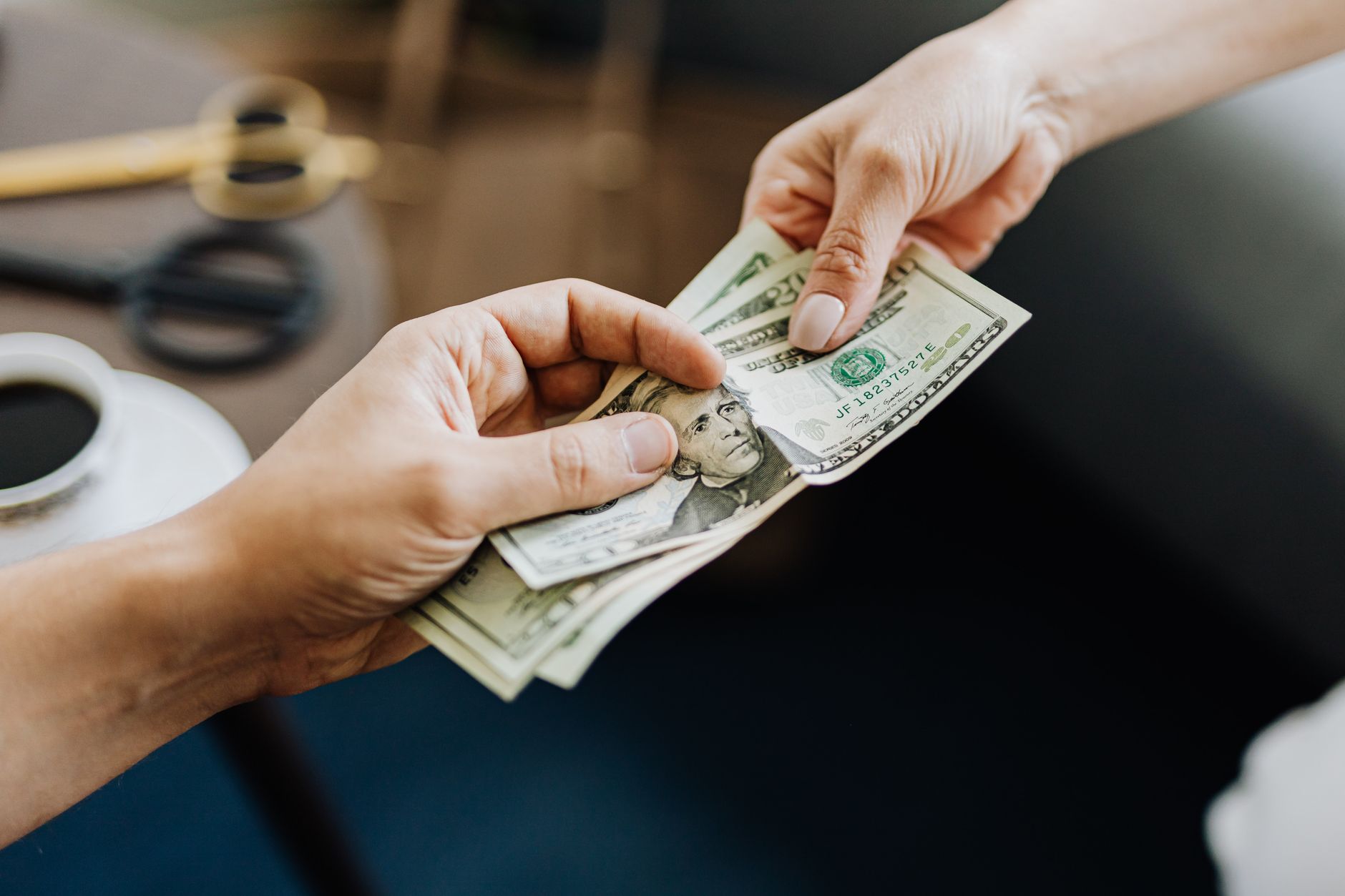
Pay more than others for the same item? This article explores the surprising reasons why some consumers end up paying higher prices for identical products, and it’s all completely legal.
Understanding Price Variability
Price variability is a common phenomenon in today’s marketplace, leading many consumers to wonder why they may pay more than others for the exact same item or service. Several factors contribute to this disparity, and understanding them can help consumers navigate their purchasing decisions more effectively.
One of the primary reasons for price differences is geographical location. Prices can fluctuate significantly based on where the buyer is situated. For instance, urban areas often have higher living costs, which can lead to increased prices for goods and services.
Another factor is timing. The same product may be offered at different prices depending on the season or even the time of day. Retailers frequently adjust prices based on demand, leading to variations that can cause some consumers to pay more than others.
Additionally, personalized pricing is becoming increasingly common. Companies might analyze a customer’s shopping habits and willingness to pay, resulting in tailored prices that can differ widely from person to person.
Finally, brand loyalty plays a significant role. Consumers who are willing to pay more for a trusted brand may find themselves in a situation where they consistently pay more than those who choose less recognized alternatives.
Understanding these factors can empower consumers to make informed choices and potentially avoid paying more than others for the same product.
Legal Aspects of Pricing
The legal aspects of pricing can often leave consumers puzzled, especially when they find themselves in situations where they pay more than others for the same product or service. This phenomenon is not just a quirk of the market; it is often backed by various legal frameworks that allow businesses to set their prices differently based on a range of factors.
Companies have the right to establish prices according to their own business strategies, which may include:
- Market Segmentation: Businesses may target different demographics, leading to varied pricing strategies. For instance, premium pricing in affluent areas is a common practice.
- Competition: Firms often adjust their prices according to the competition in their area or online, impacting how much individual consumers pay.
- Supply Chain Variability: Differences in supply chain costs can lead to discrepancies in pricing, depending on how much a company pays for its materials and distribution.
- Consumer Behavior: Companies may utilize dynamic pricing models that adjust based on consumer demand and behavior, leading to different prices for the same item.
Understanding these legal facets is essential for consumers who want to navigate the complex world of pricing. Ultimately, awareness of these factors can empower buyers to make more informed decisions in the marketplace.
Factors Influencing Consumer Prices
Several factors contribute to why some consumers may pay more than others for identical products or services. Understanding these influences can shed light on the underlying dynamics of pricing strategies.
- Location: Geographic differences can significantly affect pricing. Retailers often adjust prices based on regional demand, cost of living, and local competition.
- Time of Purchase: Prices can fluctuate based on the time of year or even the time of day. For example, purchasing holiday gifts during peak shopping seasons may result in higher prices.
- Consumer Behavior: Individual purchasing habits play a role in pricing. Some consumers may be willing to pay more for convenience, brand loyalty, or perceived quality.
- Dynamic Pricing: Many companies utilize sophisticated algorithms to adjust prices based on real-time market conditions. This means that two consumers can pay different prices for the same item based on when and how they shop.
- Market Segment: Pricing strategies may target different consumer segments. Luxury brands often set higher prices to maintain exclusivity, leading some individuals to pay more than others for the same products.
Ultimately, understanding these factors can help consumers make informed decisions and potentially avoid paying more than others for the same items.
The Role of Supply and Demand
The relationship between supply and demand plays a crucial role in determining why some consumers may pay more than others for the same product or service. When demand for a particular item exceeds its supply, prices inevitably rise. This economic principle explains why certain products can be priced significantly higher in one location compared to another.
In a competitive market, businesses adjust their pricing strategies based on the availability of goods and consumer interest. For example, if a new smartphone is released and demand surges while production remains limited, retailers may choose to increase prices. Consequently, customers in high-demand areas may pay more than others who have access to less popular products.
Additionally, geographic location significantly influences pricing. In urban areas where demand is high, consumers often pay more than others in rural regions. Factors such as shipping costs, local taxes, and competition also contribute to these disparities.
Furthermore, individual purchasing behavior can affect pricing. Consumers willing to pay a premium for convenience may find themselves paying more than others who choose to shop around or wait for sales. This phenomenon illustrates how personal choices and market dynamics intertwine, leading some to consistently pay more than others for identical items.
- High demand can lead to increased prices.
- Geographic location affects pricing strategies.
- Consumer behavior plays a significant role in pricing differences.
How Market Competition Affects Prices
In the complex landscape of market economics, competition plays a pivotal role in determining prices. When businesses operate in a competitive environment, they are often compelled to adjust their pricing strategies to attract consumers. This can lead to significant variations in what customers pay. Some may find themselves in situations where they pay more than others for identical products or services.
Several factors influence how market competition shapes pricing:
- Market Share: Companies with larger market shares may have more flexibility in setting prices, often resulting in lower costs for consumers. However, smaller businesses might charge higher prices to cover their operational expenses.
- Brand Loyalty: Established brands can command premium prices due to consumer trust and loyalty. Customers may be willing to pay more than others who choose lesser-known brands.
- Promotions and Discounts: Companies often employ various promotional strategies. Some consumers may benefit from sales or discounts, while others might miss out, resulting in different prices for the same items.
- Geographic Location: Prices can vary greatly across different regions due to local competition and economic conditions, further contributing to why some consumers pay more than others.
Ultimately, understanding these dynamics can shed light on why pricing is not as straightforward as it seems.
Consumer Perception and Pricing
Consumer perception plays a crucial role in the pricing strategy of products and services. Many individuals often wonder why they might pay more than others for the same item. The answer lies in the complex interplay of psychological factors and market dynamics.
One significant aspect is the concept of perceived value. Consumers tend to associate higher prices with better quality, leading them to believe that spending more will yield a superior product. This belief can be driven by:
- Brand Reputation: Well-established brands often charge a premium due to their perceived reliability and quality.
- Marketing Strategies: Aggressive marketing can shape consumer perceptions, making them willing to pay higher prices for certain products.
- Exclusivity: Limited edition items or exclusive products can create a sense of urgency and desirability, prompting consumers to pay more.
Moreover, individual preferences and shopping habits can influence how much one is willing to spend. For instance, some consumers prioritize convenience and are willing to pay a premium for faster delivery or easier access to products.
Ultimately, understanding consumer perception helps businesses tailor their pricing strategies effectively, ensuring that they attract customers willing to pay more than others for the same product while maintaining profitability.
Is Paying More Worth It?
In an increasingly complex market, the question arises: is paying more worth it? Many consumers find themselves in situations where they pay more than others for identical products or services, leading to frustration and confusion. However, the reasons behind this price disparity can often shed light on whether the extra expense is justified.
One significant factor to consider is the perceived value of a product. Consumers may be willing to pay a premium for brands they trust or products that offer enhanced quality. This can be particularly evident in sectors such as technology, where brand loyalty plays a crucial role.
Another aspect is the location of purchase. Prices can vary greatly depending on geographical location, local demand, and even the store’s operating costs. For instance, a consumer in a metropolitan area may pay more than others in rural settings for the same item due to higher rent and wages.
Additionally, promotional tactics and sales strategies can influence how much a consumer ends up spending. Limited-time offers, loyalty programs, and exclusive memberships may lead some individuals to believe they are receiving a better deal, even if it results in a higher overall expenditure.
Ultimately, whether paying more is worth it depends on the individual consumer’s values, preferences, and circumstances. Understanding the underlying factors can help consumers make informed decisions in their purchasing behavior.
Photo by https://kaboompics.com/ on Pexels