

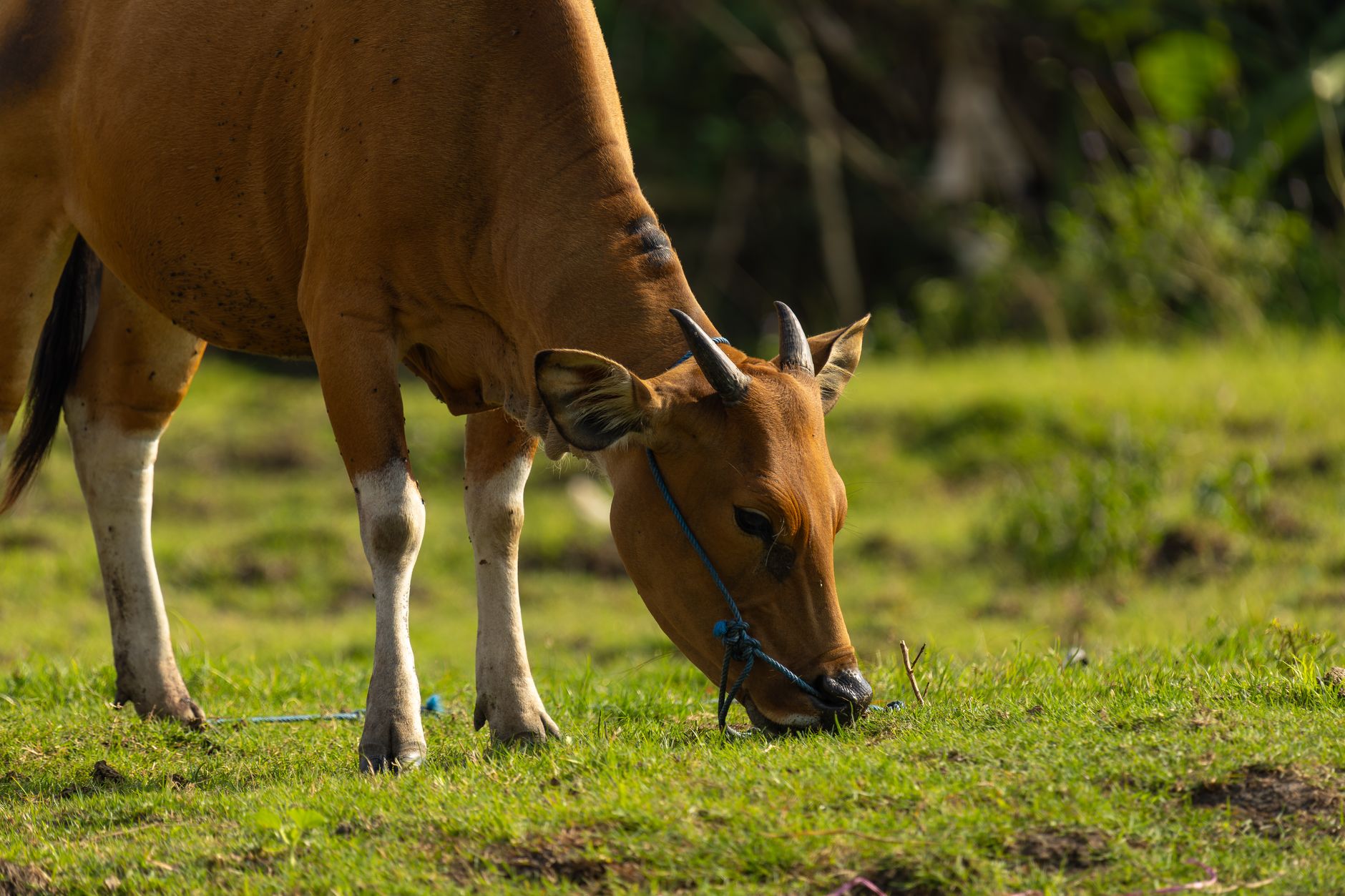
Maintaining healthy cattle requires consistent attention to feeding, hydration, shelter, and veterinary care. Livestock owners must understand the basic needs of their animals to support proper growth and prevent common health problems. In communities associated with วัวชนแดนใต้.net traditions, responsible management should combine local experience with modern knowledge about animal nutrition, disease prevention, and overall welfare.
Why Is Balanced Nutrition Important for Cattle?
A balanced diet provides the energy and nutrients cattle need for healthy development. Their feed should contain suitable amounts of fiber, protein, carbohydrates, vitamins, and minerals. Fresh grass, hay, and other appropriate forage can form the foundation of daily feeding routines.
Additional feed may be necessary depending on an animal’s age, body condition, activity, and health. Owners should avoid sudden dietary changes because they can disturb digestion. Introducing new feed gradually helps cattle adjust more comfortably. A veterinarian or livestock nutrition specialist can recommend suitable feeding quantities.
How Much Water and Shelter Do Cattle Need?
Clean drinking water must remain available throughout the day. Water requirements can increase during hot weather, periods of greater activity, or certain stages of development. Containers should be checked regularly and cleaned to prevent contamination.
Suitable shelter protects cattle from intense sunlight, heavy rainfall, strong winds, and uncomfortable ground conditions. Well-ventilated housing helps maintain comfortable temperatures, while dry bedding provides a suitable resting area. Adequate space also allows animals to stand, walk, and lie down naturally.
What Are the Signs of Healthy Cattle?
Healthy cattle generally show consistent appetite, normal movement, clear eyes, and appropriate body condition. Their coats should appear reasonably clean, and their breathing should not show unusual difficulty. Regular observation helps owners recognize changes before they become serious concerns.
Reduced appetite, unusual behavior, lameness, coughing, diarrhea, or visible injuries may indicate health problems. Such signs should not be ignored. Prompt veterinary assessment can help identify the cause and determine appropriate treatment.
How Can Owners Prevent Common Health Problems?
Prevention involves routine veterinary examinations, suitable vaccination programs, parasite control, and clean living conditions. Feeding equipment, water containers, and resting areas should receive regular cleaning. New animals should be assessed before joining an existing herd to reduce potential disease transmission.
Hoof inspections are also important because untreated problems can affect movement and comfort. Gentle handling during examinations helps reduce stress and makes routine care safer for both animals and handlers.
How Does Responsible Care Support Animal Welfare?
Good nutrition and health management are essential parts of humane livestock ownership. Cattle should receive adequate rest and should never be deliberately frightened, injured, or pushed beyond their physical limits. Cultural traditions must respect these basic welfare needs.
Consistent feeding, clean surroundings, preventive healthcare, and attentive handling help cattle maintain healthier lives. By combining traditional knowledge with responsible veterinary guidance, owners can support livestock well-being and encourage sustainable agricultural practices.
Key Points
- Maintaining healthy cattle requires consistent attention to feeding, hydration, shelter, and veterinary care.
- A balanced diet for cattle should include appropriate amounts of fiber, protein, carbohydrates, vitamins, and minerals.
- Clean drinking water must be available throughout the day, with increased requirements during hot weather or periods of higher activity.
- Healthy cattle show signs such as consistent appetite, normal movement, clear eyes, and appropriate body condition.
- Routine veterinary examinations and suitable vaccination programs are essential for preventing common health problems in cattle.
- Responsible care involves combining traditional knowledge with veterinary guidance to support livestock well-being.