

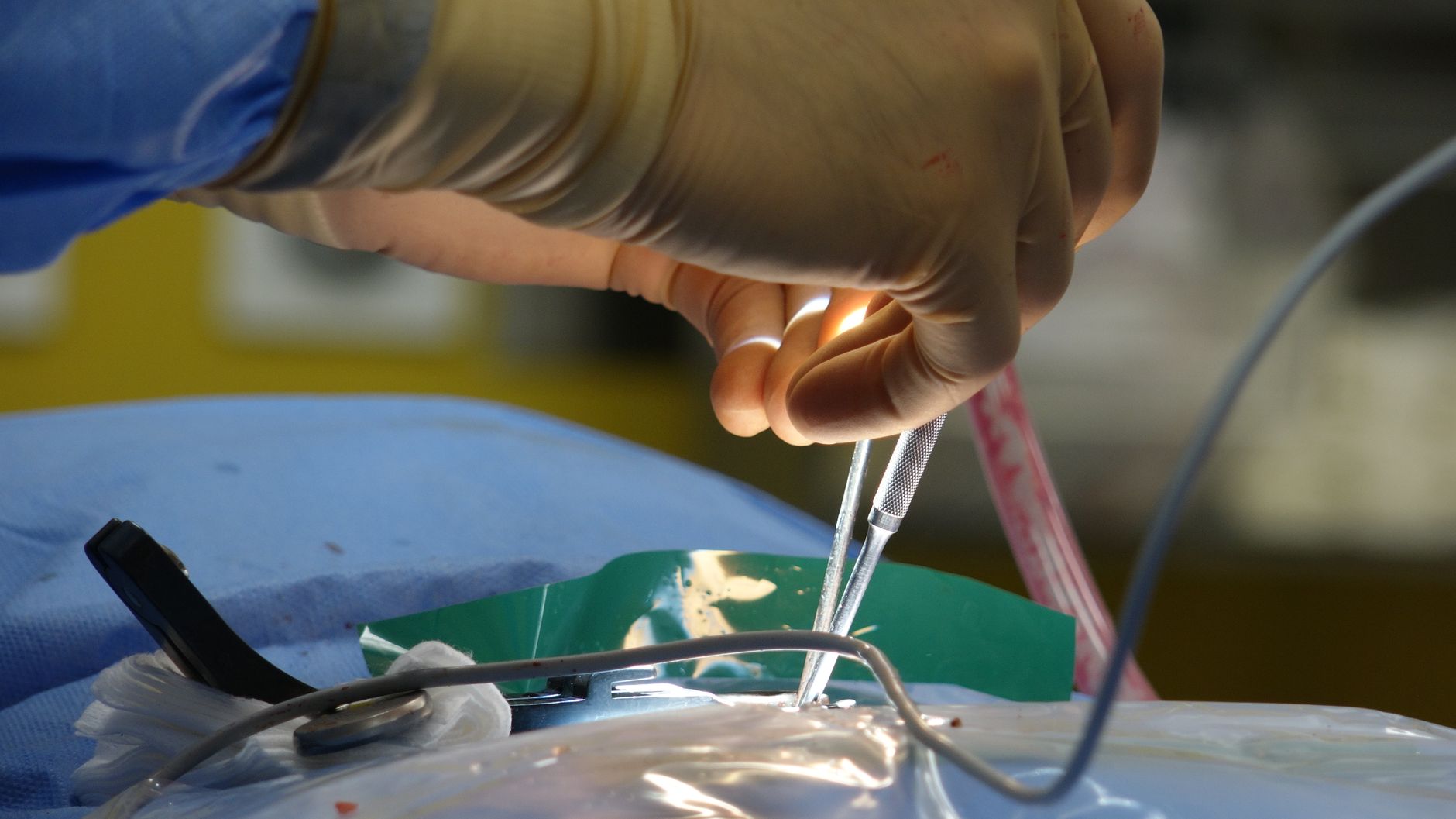
engineered gel for spinal cord recovery is a groundbreaking development that helps injured cells heal more effectively in laboratory settings. This innovative approach could revolutionize spinal cord injury treatments.
What is Engineered Gel?
Engineered gel for spinal cord recovery represents a significant advancement in the field of regenerative medicine. This innovative material is designed to aid the healing process of damaged spinal cord cells by controlling the release of therapeutic particles.
The engineered gel acts as a supportive scaffold, mimicking the natural environment of spinal tissues. It provides a conducive setting for cell growth and repair, thereby enhancing the recovery process. Researchers have found that this gel can deliver growth factors and other essential nutrients directly to the injured area, promoting cellular regeneration and reducing inflammation.
One of the most remarkable features of this engineered gel is its ability to adjust the rate at which these particles are released. This controlled delivery mechanism ensures that the spinal cord cells receive the right amount of support over an extended period, optimizing their chances for recovery.
In laboratory settings, studies have shown promising results, indicating that the use of engineered gel for spinal cord injuries may lead to improved outcomes for patients facing such debilitating conditions.
As research continues, the potential applications of this technology may revolutionize treatment approaches for spinal cord injuries.
How Does It Work?
The engineered gel for spinal cord recovery operates through a sophisticated mechanism that enhances the healing process of damaged nerve cells. This innovative gel is designed to release bioactive molecules in a controlled manner, ensuring that the injured cells receive the necessary nutrients and growth factors over time.
Key elements of how the engineered gel functions include:
- Controlled Release: The gel utilizes a unique structure that allows for the gradual release of therapeutic agents, which helps maintain optimal conditions for cell recovery.
- Biocompatibility: Made from materials that are non-toxic and compatible with biological tissues, the gel minimizes the risk of adverse reactions.
- Cellular Interaction: The gel promotes interaction between the gel matrix and spinal cord cells, encouraging cellular growth and regeneration.
- Customization: Researchers can tailor the composition of the gel to suit different types of spinal cord injuries, enhancing its effectiveness.
Through these mechanisms, the engineered gel for spinal cord not only aids in immediate recovery but also supports long-term regeneration, offering hope for improved treatment options in the future.
Benefits of Engineered Gel
The introduction of engineered gel for spinal cord recovery presents numerous benefits for patients suffering from spinal cord injuries. This innovative solution is designed to enhance the healing process through controlled delivery systems.
Some key benefits include:
- Targeted Delivery: The engineered gel allows for precise release of therapeutic agents, ensuring that injured spinal cord cells receive the necessary support at the right time.
- Improved Cell Survival: By providing a conducive environment, the gel promotes the survival of damaged cells, facilitating better recovery outcomes.
- Reduction of Inflammation: The gel’s formulation helps to minimize inflammation at the injury site, which can impede healing processes.
- Enhanced Regeneration: Studies show that the use of engineered gel can increase the potential for nerve regeneration, which is crucial for restoring function.
- Biocompatibility: The materials used in the gel are designed to be biocompatible, reducing the risk of adverse reactions in patients.
Overall, the use of engineered gel for spinal cord recovery holds promise for significantly improving patient outcomes and quality of life.
Research Findings
Recent studies have shown promising results regarding the use of engineered gel for spinal cord recovery. Researchers have developed a unique gel that effectively controls the release of therapeutic particles, which are crucial for aiding the regeneration of damaged spinal cord cells.
The findings indicate that when this engineered gel is applied in a laboratory setting, it significantly enhances cell survival and promotes healing. In a series of experiments, scientists observed that the gel not only localized the delivery of necessary growth factors but also created an optimal environment for cellular recovery.
Key observations from the research include:
- Enhanced Cell Viability: The engineered gel demonstrated a marked increase in the survival rates of spinal cord neurons.
- Effective Particle Release: The gel’s ability to control the timing and amount of particle release proved vital in supporting cellular function.
- Improved Functional Recovery: In animal models, the application of the gel correlated with better motor function outcomes.
These findings underscore the potential of engineered gel for spinal cord therapies, paving the way for future clinical applications and improved recovery strategies.
Applications in Medicine
The applications of engineered gel for spinal cord injuries are vast and promising, offering innovative solutions for recovery in the medical field. This advanced material not only aids in the healing process but also enhances the overall regenerative environment for damaged spinal cord cells.
One of the key applications is in neuroprotection. The engineered gel acts as a supportive scaffold, allowing for the controlled release of therapeutic agents that promote cell survival and growth. This property is particularly essential in preventing further damage to the spinal cord following an injury.
Additionally, the gel has shown potential in drug delivery. By encapsulating medications within its structure, the engineered gel ensures a sustained release, targeting the injury site more effectively and reducing systemic side effects.
Furthermore, its use in tissue engineering is noteworthy. The gel can be combined with stem cells to create a conducive environment for regeneration, potentially restoring lost functions in patients with severe spinal cord injuries.
As research continues to unveil more about engineered gel for spinal cord applications, the future looks bright for enhancing recovery and improving the quality of life for patients.
Future of Spinal Cord Treatments
The future of spinal cord treatments looks promising with the continued development of engineered gel for spinal cord recovery. As researchers delve deeper into regenerative medicine, the potential applications of this innovative material are becoming increasingly clear.
Experts believe that engineered gel could revolutionize the way spinal cord injuries are treated. Its ability to control the release of therapeutic particles makes it a valuable tool in facilitating cell recovery and promoting healing. The gel’s unique properties allow it to be tailored for specific types of injuries, enhancing its effectiveness across various cases.
Moreover, ongoing studies are exploring the integration of engineered gel with advanced technologies, such as bioelectronic devices and stem cell therapy. This combination could enhance the therapeutic effects, leading to improved outcomes for patients.
As the research progresses, there is hope that engineered gel for spinal cord treatments will not only improve recovery rates but also restore mobility and quality of life for those affected by spinal cord injuries. The scientific community remains optimistic that these advancements will lead to clinical trials and eventually, widespread use in medical practice.
Challenges in Implementation
The implementation of engineered gel for spinal cord recovery, while promising, is not without its challenges. Researchers face several hurdles that must be addressed to ensure successful application in clinical settings.
- Scalability: Producing engineered gel in large quantities while maintaining consistency in quality is a significant concern. Current lab-scale production may not translate effectively to commercial manufacturing.
- Regulatory Approvals: Gaining the necessary regulatory approvals for new medical treatments is often a lengthy and complex process. The engineered gel must undergo rigorous testing to demonstrate safety and efficacy before it can be widely used.
- Integration with Existing Treatments: Understanding how engineered gel for spinal cord recovery interacts with other therapies is crucial. It is essential to determine the most effective combination of treatments to optimize patient outcomes.
- Public Perception: Educating patients and healthcare providers about the benefits and potential of engineered gel is vital. Misconceptions about new technologies can hinder acceptance and implementation.
Addressing these challenges is essential for the successful integration of engineered gel into spinal cord treatment protocols.
Expert Opinions on the Study
Experts in the field of spinal cord injury recovery have expressed optimism regarding the recent study on engineered gel for spinal cord applications. Dr. Emily Carter, a neuroscientist, emphasized the gel’s unique ability to facilitate targeted delivery of therapeutic agents, stating, “This engineered gel not only supports cellular recovery but also enhances the regeneration process by controlling the release of essential growth factors.”
Similarly, Dr. Alan Smith, a leading researcher in regenerative medicine, noted the significance of the gel’s composition. He remarked, “The biocompatibility of this engineered gel is crucial, as it minimizes inflammation and promotes healing at the injury site.” Experts agree that the gel has the potential to transform current treatment protocols.
Furthermore, Dr. Lisa Tran, a physiotherapist specializing in spinal injuries, highlighted the implications for patient rehabilitation. “The application of engineered gel for spinal cord injuries could revolutionize our approach, making recovery more efficient and effective,” she suggested.
As the research continues to progress, these expert opinions reinforce the promising future of engineered gel in fostering spinal cord recovery.
Photo by Viktors Duks on Pexels