

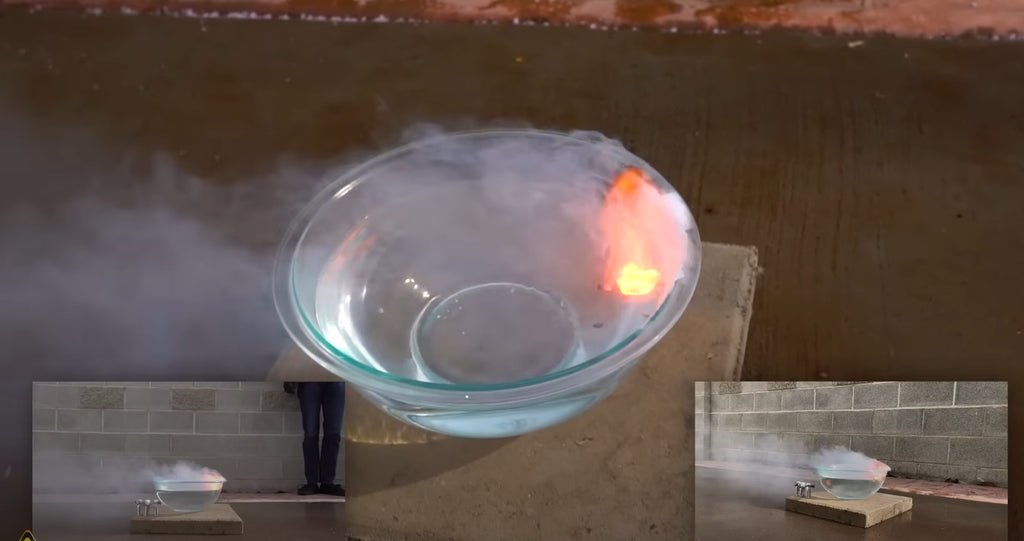
If batteries get wet, they can pose a serious risk. Water and electricity don’t mix well, and when a battery comes in contact with moisture, it can lead to chemical reactions that may cause leakage, corrosion, or even a short circuit. This could potentially damage the battery itself, as well as any device it powers. It’s crucial to know what happens if batteries get wet to be prepared to handle the situation promptly and safely. Let’s delve deeper into the effects of moisture on batteries and how to mitigate the risks effectively.

What Happens If Batteries Get Wet: Understanding the Risks and Solutions
Welcome to our guide on what happens if batteries get wet. Have you ever wondered about the effects of water on batteries? In this article, we will explore the dangers of wet batteries, the reasons behind them, and most importantly, how to handle them in case of an accidental encounter with water. Let’s dive in!
Understanding Battery Basics
Before we get into the specifics of what happens when batteries get wet, let’s first understand how batteries work. Batteries are devices that store chemical energy and convert it into electrical energy. They are commonly used in everyday items like remote controls, toys, and electronic gadgets.
Batteries have positive and negative terminals, and when connected to a device, they create a flow of electrons, generating electric current to power the device. When water comes into contact with a battery, it can disrupt this flow and cause several issues.
The Risks of Water Exposure
When batteries get wet, several risks arise due to the conductive nature of water. The most common risks include:
1. Short Circuits
One of the primary dangers of wet batteries is the potential for a short circuit. Water serves as a conductor of electricity, and when it comes into contact with the terminals of a battery, it can create a direct path for the electrical current, bypassing the intended circuit. This can lead to overheating, leakage, or even explosions in extreme cases.
2. Corrosion
Water contains impurities and minerals that can react with the metal components of a battery, causing corrosion. Corrosion can weaken the connections within the battery, reducing its efficiency and lifespan. It can also lead to leakage of harmful chemicals, posing a safety hazard.
3. Reduced Performance
Water ingress can compromise the integrity of a battery, affecting its overall performance. The presence of water can disrupt the chemical reactions happening inside the battery, leading to decreased voltage output and capacity. This results in shorter battery life and may necessitate frequent replacements.
What to Do If Your Battery Gets Wet
If you accidentally expose your battery to water, it’s essential to act quickly to minimize the damage. Here are some steps you can take:
1. Remove the Battery
The first thing to do when a battery gets wet is to remove it from the device to prevent further damage. Be cautious while handling the wet battery, as it may be hot or leaking chemicals.
2. Dry It Thoroughly
Use a soft, absorbent cloth to gently dry the exterior of the battery. Avoid using heat sources like hairdryers or microwaves, as they can damage the battery further. Ensure the battery is completely dry before attempting to use it again.
3. Check for Damage
Inspect the battery for any signs of corrosion, leakage, or unusual swelling. If you notice any of these issues, it’s best to dispose of the battery properly and replace it with a new one to avoid potential hazards.
4. Test the Battery
If the battery appears undamaged after drying, you can test it by inserting it into a compatible device and checking if it functions correctly. Monitor the battery’s performance for any unusual behavior, such as rapid draining or overheating.
Preventing Battery Water Damage
While accidents can happen, there are some precautions you can take to avoid water damage to your batteries:
1. Keep Batteries Dry
Store batteries in a cool, dry place away from moisture and humidity. Avoid exposing them to water or other liquids to prevent accidental damage.
2. Use Protective Cases
When transporting batteries, especially rechargeable ones, use protective cases or covers to shield them from water exposure. This can help prevent short circuits and other water-related issues.
3. Properly Dispose of Damaged Batteries
If you encounter a wet or damaged battery that is beyond repair, make sure to dispose of it according to local regulations. Do not throw batteries in the trash, as they can be harmful to the environment.
In conclusion, understanding what happens if batteries get wet is crucial for maintaining the safety and performance of your electronic devices. Water exposure can pose serious risks to batteries, including short circuits, corrosion, and reduced performance. By taking proactive measures to prevent water damage and knowing how to handle wet batteries, you can ensure the longevity and efficiency of your batteries. Remember, safety always comes first when dealing with electronic devices and batteries!
Lithium is dangerous
Frequently Asked Questions
What are the consequences of batteries getting wet?
When batteries get wet, it can lead to short-circuiting and corrosion within the battery. This can cause the battery to malfunction or even leak harmful chemicals.
How should I handle batteries that have been exposed to moisture?
If batteries get wet, it is essential to carefully remove them from the wet environment. Wipe them dry with a clean cloth and allow them to air dry completely before attempting to use them again.
Can wet batteries be dangerous?
Wet batteries can pose a safety risk due to the potential for short-circuiting, leakage of corrosive chemicals, or even thermal runaway. It is crucial to handle wet batteries with caution.
Final Thoughts
If batteries get wet, it can lead to leakage, corrosion, and potentially dangerous situations. Wet batteries may short-circuit, release harmful chemicals, and become non-functional. It is crucial to handle wet batteries carefully and avoid using them until they are completely dry. Always follow safety precautions to prevent accidents and damage.