

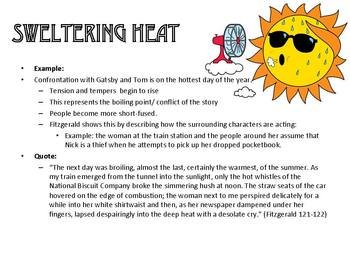
The heat in “The Great Gatsby” symbolizes desire, tension, and emotional intensity. As the characters navigate the scorching summer in a world of excess and hidden motives, the rising temperatures mirror the simmering passions and conflicts bubbling beneath the surface. Fitzgerald masterfully weaves the heat into the narrative, creating a palpable sense of urgency and volatility. From the sweltering heat of Gatsby’s parties to the intense exchanges between characters, the oppressive warmth serves as a metaphor for the characters’ inner turmoil and the elusive American Dream.

What Does the Heat Represent in The Great Gatsby
Welcome, young readers! Today, we are going to delve into the intriguing world of F. Scott Fitzgerald’s classic novel, ‘The Great Gatsby,’ and explore the symbolism of heat in this captivating tale. If you’ve ever wondered why the scorching summer heat plays such a significant role in the story, you’re in the right place. Let’s uncover the deeper meanings behind the heat in ‘The Great Gatsby’.
The Setting and Atmosphere
First things first, let’s talk about the setting of the novel. ‘The Great Gatsby’ is set in the roaring 1920s, a time known for its excesses, glamor, and societal upheavals. The story takes place during the hot and humid summer months in Long Island, New York. The oppressive heat permeates every scene, creating a sense of tension and unease among the characters.
The stifling heat mirrors the simmering tensions and passions that lie beneath the surface of the characters’ seemingly glamorous lives. It serves as a constant reminder that beneath the facade of wealth and sophistication, there is a world fraught with desire, betrayal, and disillusionment.
Desire and Passion
One of the key themes in ‘The Great Gatsby’ is desire, particularly the desire for love, success, and social acceptance. The heat in the novel often symbolizes the characters’ burning passions and unfulfilled desires. Jay Gatsby’s longing for Daisy Buchanan, the unattainable love of his life, is like a blazing fire that consumes him from within.
Similarly, the intense heat reflects the passionate affair between Daisy and Gatsby, which threatens to unravel the delicate social fabric of their wealthy circle. The scorching temperatures heighten the sense of urgency and recklessness in their actions, leading to devastating consequences.
Social Tensions and Class Divide
Another important aspect of the heat in ‘The Great Gatsby’ is its connection to the social tensions and class divisions of the time. The characters in the novel are divided along socioeconomic lines, with the wealthy elite living in opulence and the working class struggling to make ends meet.
The oppressive heat serves as a metaphor for the simmering class conflicts and disparities that underpin the glittering facade of wealth and privilege. It highlights the stark contrast between the extravagant parties and lavish lifestyles of the rich and the harsh realities faced by those on the fringes of society.
Death and Decay
As the story unfolds, the heat takes on a darker symbolism, representing death and decay. The oppressive summer heat becomes suffocating, mirroring the characters’ moral decay and the collapse of their illusions.
Tragedy strikes under the scorching sun, leading to a dramatic climax that exposes the characters’ flaws and vulnerabilities. The heat becomes a harbinger of doom, foreshadowing the inevitable demise of Jay Gatsby and the shattered dreams of those around him.
In conclusion, the heat in ‘The Great Gatsby’ serves as a multi-faceted symbol that conveys themes of desire, passion, social tensions, and mortality. It adds depth and complexity to the narrative, infusing the story with a sense of foreboding and urgency.
So, as you immerse yourself in the world of ‘The Great Gatsby,’ pay close attention to the heat that pervades the story. It is not merely a backdrop but a powerful metaphor that illuminates the hidden truths and complexities of Fitzgerald’s timeless tale.
Stay curious, dear readers, and keep exploring the rich tapestry of literature that awaits you!
The Significance and Symbolism of Weather in F. Scott Fitzgerald's Novel, The Great Gatsby | Part 1
Frequently Asked Questions
How is heat symbolically represented in “The Great Gatsby”?
In “The Great Gatsby,” heat symbolizes passion, desire, and intensity. It reflects the characters’ emotions and the simmering tensions that underpin their relationships. The sweltering heat mirrors the heat of desire between characters like Gatsby and Daisy, adding layers of complexity to their interactions and highlighting the intense emotions at play.
What does the heatwave signify in “The Great Gatsby”?
The heatwave in “The Great Gatsby” serves as a metaphor for the characters’ inner turmoil and the societal pressures that drive their actions. It creates a suffocating atmosphere that heightens the tension and exposes the characters’ vulnerabilities. The oppressive heatwave also symbolizes the facade of glamour and excess that masks the characters’ deeper insecurities and unfulfilled desires.
How does the scorching heat impact the characters in “The Great Gatsby”?
The scorching heat in “The Great Gatsby” exerts a physical and emotional toll on the characters, amplifying their frustrations and desires. It pushes them to confront their inner conflicts and drives them to make impulsive decisions. The heat acts as a catalyst for the unfolding drama, pushing the characters to their limits and revealing the cracks in their glamorous facades.
Final Thoughts
In “The Great Gatsby,” the oppressive heat signifies tension, desire, and emotional intensity. The sweltering weather mirrors the characters’ inner turmoil and unfulfilled desires. Gatsby and Daisy’s passionate reunion in the stifling heat accentuates their unresolved romantic tension. The heat symbolizes the intense emotions and hidden complexities within the characters’ relationships. Ultimately, what does the heat represent in “The Great Gatsby”? It serves as a subtle yet powerful backdrop, highlighting the characters’ internal struggles and the volatile nature of their connections.


