

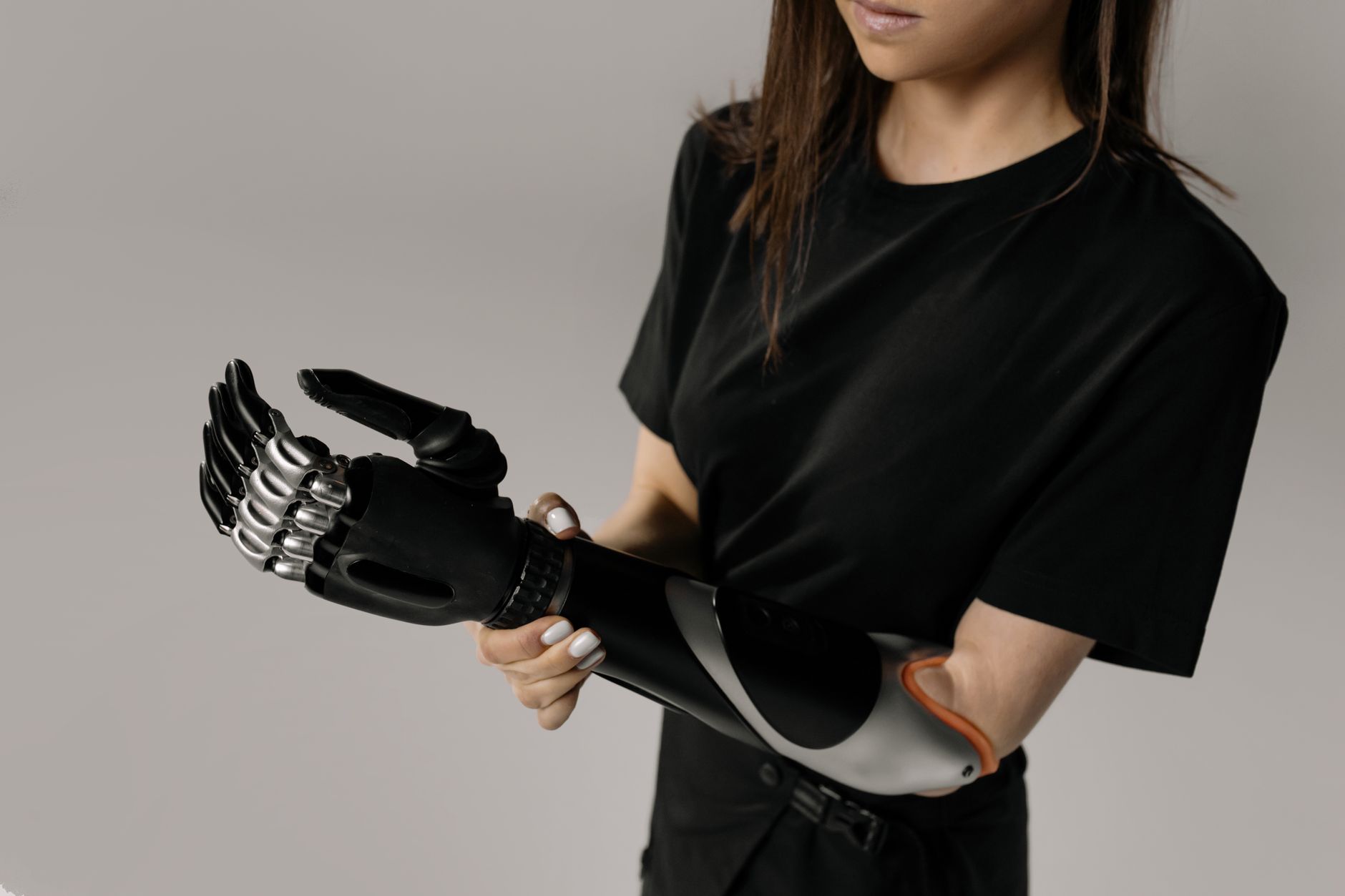
The wearable robot startup Hurotics has made headlines by raising 25 billion won. This significant funding round highlights the growing interest in AI-driven technologies and robotics.
Overview of Hurotics
Hurotics, a promising wearable robot startup, has recently made headlines by raising 25 billion won in its latest funding round. This significant investment highlights the growing interest in advanced robotics and its applications across various industries. Established with the vision of revolutionizing mobility and enhancing the quality of life for individuals with physical limitations, Hurotics is at the forefront of wearable technology innovation.
The company’s flagship product is a sophisticated exoskeleton designed to assist users in walking and performing everyday tasks with ease. This device incorporates cutting-edge sensors and artificial intelligence to adapt to the user’s movements and needs, providing a seamless experience. By empowering users, Hurotics aims to promote independence and improve overall well-being.
In addition to its core product offering, Hurotics is focused on expanding its research and development efforts. The startup plans to collaborate with various institutions to enhance its technology and explore new applications for its wearable robots. As the demand for assistive technology continues to grow, Hurotics is positioned to capitalize on this trend.
Investors are increasingly recognizing the potential of Hurotics, making it a compelling option for those looking to invest in the future of robotics. With a strong vision and innovative products, Hurotics could be a significant player in the wearable robot market.
What is Hurotics?
Hurotics, a burgeoning wearable robot startup, is at the forefront of innovation in the robotic industry. Founded in 2021, the company has quickly gained attention for its groundbreaking technology that aims to enhance mobility for individuals with physical disabilities and improve the overall quality of life. Their flagship product, a lightweight exoskeleton, is designed to assist users in walking and carrying heavy objects, ultimately promoting independence.
With a dedicated team of engineers and healthcare professionals, Hurotics focuses on creating seamless integration between man and machine. The startup values user feedback, incorporating it into their development process to ensure that their products meet the needs of their target audience. This commitment to customer satisfaction has positioned Hurotics as a leader in the wearable robotics sector.
The recent funding round, which raised 25 billion won, signifies strong investor confidence in Hurotics’ vision and capabilities. This capital will be utilized for expanding research and development, enhancing production capabilities, and launching marketing initiatives aimed at reaching a wider audience.
In addition to its core products, Hurotics is exploring partnerships with rehabilitation centers and healthcare organizations to promote the adoption of their wearable robots. As the demand for assistive technologies grows, Hurotics is poised to play a pivotal role in the future of mobility assistance.
The Future of Wearable Robots
The future of wearable robots appears to be bright, especially with the emergence of innovative companies like the wearable robot startup Hurotics. As technological advancements continue to evolve, the potential applications for wearable robotics are expanding rapidly, capturing the attention of investors and consumers alike.
Wearable robots have the capacity to revolutionize various industries, including healthcare, manufacturing, and rehabilitation. They offer solutions that can enhance mobility, assist with physical tasks, and improve the quality of life for individuals with disabilities. The following are some potential benefits of wearable robots:
- Enhanced Mobility: Wearable robots can help individuals regain mobility by providing support and strength, making everyday activities easier.
- Increased Productivity: In industrial settings, these robots can assist workers in lifting heavy objects, reducing the risk of injury and improving efficiency.
- Rehabilitation Support: In healthcare, wearable robots can aid in rehabilitation processes, helping patients recover from injuries more effectively.
- Personalized Assistance: These devices can be customized to meet the specific needs of users, offering tailored support for various tasks.
As Hurotics continues to develop its technology and gain investment, the prospects for wearable robots seem promising. With a growing market and increasing interest, Hurotics could very well be at the forefront of this transformative industry.
Investment Trends in Robotics
The investment landscape for robotics has been evolving rapidly, with significant interest in wearable technology. In recent years, there has been a noticeable shift towards startups specializing in innovative robotics solutions, particularly those that enhance human capabilities. Hurotics, a notable player in this space, exemplifies the growing trend of focusing on wearable robots that assist users in various tasks.
In 2023, the wearable robot startup Hurotics successfully raised 25 billion won, indicating strong investor confidence in its potential to revolutionize personal and industrial applications. This funding round highlights several key trends in the robotics investment sector:
- Increased Demand: As industries seek to improve efficiency and safety, the demand for wearable robots is on the rise.
- Technological Advancements: Innovations in materials and AI are enabling the development of more effective and user-friendly robotic solutions.
- Diverse Applications: Wearable robots are finding uses in rehabilitation, manufacturing, and even entertainment, broadening their market appeal.
- Growing Investor Interest: Venture capitalists are increasingly investing in startups like Hurotics, recognizing the potential for high returns.
As the market for wearable robots expands, Hurotics stands out as a promising investment opportunity, potentially leading the charge in this exciting frontier of technology.
Challenges Facing Startups
The wearable robot startup Hurotics, despite its promising technology and recent funding success, faces several challenges that could impact its growth trajectory and investment potential.
- Market Competition: The wearable robotics sector is becoming increasingly crowded, with several established companies and emerging startups vying for market share. Hurotics must differentiate its products to stand out in this competitive landscape.
- Technological Advancements: Rapid advancements in robotics and artificial intelligence mean that Hurotics must continuously innovate to maintain its competitive edge. Staying ahead of technological trends is crucial for attracting both customers and investors.
- Regulatory Hurdles: The development and deployment of wearable robots involve navigating complex regulatory environments. Ensuring compliance with safety standards and obtaining necessary approvals can delay product launches and increase costs.
- Funding Sustainability: While Hurotics has successfully raised 25 billion won, sustaining funding through multiple rounds is vital for long-term viability. Investors may be wary of the wearable robot startup’s ability to secure future financing, especially if it does not meet growth milestones.
- Consumer Acceptance: The market for wearable robots is still in its infancy, and consumer adoption can be hesitant. Hurotics needs to invest in marketing and education to increase awareness and acceptance of its products among potential users.
Addressing these challenges will be crucial for Hurotics as it seeks to solidify its position in the rapidly evolving robotics market.
How Hurotics Plans to Use Funding
Hurotics, the innovative wearable robot startup, is poised to utilize its recent funding of 25 billion won strategically to enhance its research and development efforts. The company aims to accelerate the production of its advanced robotic suits designed to assist individuals with mobility challenges.
Key areas of focus for Hurotics include:
- Technology Development: Hurotics plans to invest in cutting-edge technology to improve the functionality and comfort of its wearable robots. This includes advancements in lightweight materials and battery efficiency.
- Market Expansion: A portion of the funding will be directed towards expanding Hurotics’ presence in international markets. This involves strategic partnerships and collaborations with healthcare providers and rehabilitation centers.
- User Experience Research: Understanding the needs of end-users is crucial. Hurotics intends to conduct extensive user feedback sessions to refine their products, ensuring they meet the expectations of those who rely on mobility assistance.
- Marketing and Awareness Campaigns: To drive adoption, Hurotics will allocate funds to promote awareness about the benefits of wearable robots. This includes targeted advertising and participation in industry conferences.
Through these focused initiatives, Hurotics aims not only to solidify its position as a leader in the wearable robot sector but also to deliver meaningful solutions to enhance the quality of life for users worldwide.
Conclusion and Industry Impact
As the technology behind wearable robots continues to evolve, the impact of startups like Hurotics cannot be overstated. With a significant funding round of 25 billion won, Hurotics has positioned itself as a key player in the wearable robot industry. This investment not only highlights the growing interest in robotics but also showcases the potential for innovation in enhancing human capabilities.
The implications of Hurotics’ advancements extend beyond the immediate market. By developing wearable robots that assist in various sectors—from healthcare to manufacturing—this startup is paving the way for a future where human-robot collaboration becomes commonplace. Such innovations could lead to increased productivity, reduced physical strain on workers, and enhanced quality of life for those with mobility impairments.
Investors are keen to explore the opportunities presented by Hurotics, as successful integration of wearable robots could transform industries and create new economic pathways. However, challenges remain, including public acceptance and regulatory hurdles. Nevertheless, the enthusiasm surrounding this startup indicates a promising trajectory in the wearable robot landscape.
In conclusion, as the wearable robot startup Hurotics continues to make strides in technology and funding, it may very well represent one of the best investments in the robotics sector. The ongoing developments in this field will likely influence broader trends, making it an exciting space to watch.
The wearable robot startup Hurotics has garnered significant attention from investors looking for innovative technology in the robotics sector. As the market for robotic solutions expands, this wearable robot startup could be positioned for substantial growth.
Photo by cottonbro studio on Pexels