

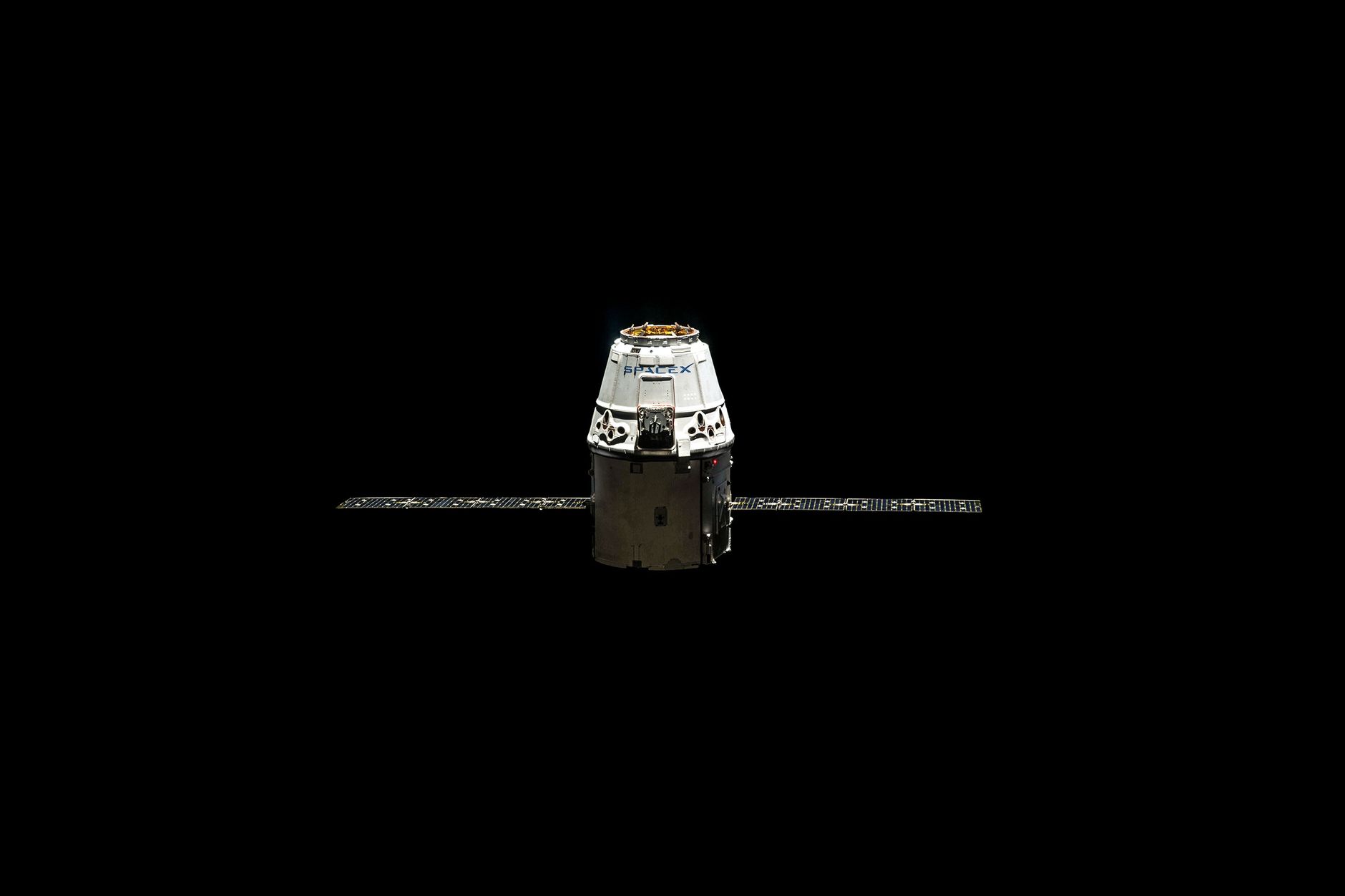
SpaceX Starship return marks a historic moment in aerospace technology. The successful catch of the rocket on its return to Earth showcases SpaceX’s advancements in reusable rocket systems.
What is the SpaceX Starship return process?
The SpaceX Starship return process is a complex series of maneuvers designed to ensure the safe landing of the rocket after its mission. This cutting-edge method showcases SpaceX’s innovative approach to rocket recovery, making the Starship one of the most advanced vehicles in aerospace history.
Initially, following its launch, the Starship ascends into space, completing its intended mission objectives. Once the mission is accomplished, it begins its return journey to Earth. This phase involves several critical steps:
- Reentry: The Starship re-enters the Earth’s atmosphere at high speeds, experiencing intense heat and pressure.
- Controlled Descent: Utilizing grid fins, the rocket maneuvers its trajectory to ensure a precise landing zone.
- Landing Burn: Just before touchdown, the engines ignite for a final landing burn, slowing the rocket’s speed for a safe landing.
The entire process is monitored closely by SpaceX’s ground control teams, who track the rocket’s performance and make real-time adjustments as needed. The successful recovery of the Starship not only minimizes costs but also paves the way for future missions. As SpaceX continues to refine this process, many experts are left wondering if the SpaceX Starship return is indeed the best rocket recovery method available today.
Key milestones in SpaceX’s rocket recovery journey
SpaceX has achieved several key milestones in its quest for efficient rocket recovery, particularly with the SpaceX Starship return process. These milestones not only showcase the company’s innovative approach but also set new standards in the aerospace industry.
- First Successful Landing (2016): SpaceX made history by successfully landing the Falcon 9 first stage on solid ground, marking a significant advancement in reusable rocket technology.
- Ocean Recovery (2018): The company expanded its recovery methods by landing Falcon 9 boosters on autonomous drone ships in the ocean, proving that rockets could be recovered from various locations.
- Starship Prototype Tests (2020-2021): Multiple prototypes of the Starship underwent high-altitude flight tests, culminating in successful landings and providing valuable data for future missions.
- Full Stack Integration (2022): SpaceX demonstrated the full capabilities of the Starship system, showcasing its ability to launch and return safely, a crucial aspect of the SpaceX Starship return.
- Orbital Flight Attempts (2023): The most recent milestones include attempts to launch and recover Starship from orbit, pushing the boundaries of rocket recovery methods and setting the stage for interplanetary travel.
Each of these achievements reflects SpaceX’s commitment to revolutionizing space travel and enhancing the sustainability of rocket launches.
How does SpaceX’s technology compare to traditional methods?
SpaceX’s approach to rocket recovery, particularly with the SpaceX Starship return, sets it apart from traditional methods used in the aerospace industry. Historically, many rockets utilized parachute systems to slow their descent, relying on a gentle landing in the ocean or on land. This method, while effective for some designs, often resulted in significant wear and tear on the rocket components, limiting the number of times they could be reused.
In contrast, SpaceX employs a system that utilizes the rocket’s engines for a controlled landing. This means that rather than relying solely on parachutes, the Starship is designed to perform a series of burns during descent. These burns help to decelerate the rocket and allow for a precise landing, either on solid ground or a floating platform at sea.
Moreover, the advanced technology that SpaceX uses includes grid fins for aerodynamic control during descent. This innovation provides greater maneuverability and stability, ensuring that the rocket can navigate through the atmosphere effectively.
Another significant advantage of the SpaceX method is the potential for rapid turnaround. By minimizing damage during recovery, SpaceX aims to prepare the Starship for its next mission in a shorter time frame compared to traditional rockets, which often require extensive refurbishment. This efficiency could revolutionize space travel, making it more sustainable and cost-effective.
Impact of reusable rockets on space missions
The advent of reusable rockets, exemplified by the SpaceX Starship return, has fundamentally transformed the landscape of space missions. This innovative approach not only enhances the sustainability of space endeavors but also significantly reduces costs associated with launching payloads into orbit.
Reusable rockets allow for the same vehicle to be utilized multiple times, minimizing the need for new construction and the resources that entail. As a result, the overall expense of launching satellites, conducting scientific missions, or exploring other celestial bodies is dramatically lowered. Here are some key impacts of reusable rockets on space missions:
- Cost Efficiency: Each successful recovery and refurbishment of a rocket cuts down on operational costs, enabling more frequent launches.
- Increased Launch Frequency: With reduced turnaround times, space agencies can schedule more missions per year, accelerating timelines for projects.
- Enhanced Mission Capabilities: Reusable rockets enable longer missions and more complex payloads, as the cost per launch decreases.
- Environmental Benefits: By reusing rockets, the environmental impact associated with manufacturing new vehicles is significantly lessened.
As the industry evolves, the emphasis on reusable technology, as demonstrated by the SpaceX Starship return, sets a precedent for future space exploration, making ambitious projects more feasible and sustainable.
Future of space travel with SpaceX innovations
The future of space travel appears increasingly promising as SpaceX continues to innovate with its Starship return process. By focusing on reusability and efficiency, SpaceX has set a new standard for space exploration, making it more accessible and sustainable.
SpaceX’s advancements have not only revolutionized rocket recovery but also influenced how missions are planned and executed. According to experts, the successful recovery of the Starship rocket marks a pivotal moment in aerospace engineering. This feat could lead to a paradigm shift in the way space missions are approached, emphasizing cost-effectiveness and environmental responsibility.
Key innovations that pave the way for the future include:
- Starship’s reusability: The ability to reuse rockets significantly lowers the cost per launch.
- Rapid turnaround: Improved turnaround times between launches helps maintain a steady schedule of missions.
- Increased payload capacity: The Starship’s design accommodates larger payloads, allowing for more ambitious missions.
As the aerospace industry evolves, SpaceX’s approach to rocket recovery will likely inspire other organizations to adopt similar methodologies. The SpaceX Starship return not only showcases cutting-edge technology but also highlights a commitment to an adventurous future in space travel that benefits humanity as a whole.
The recent SpaceX Starship return has sparked debates among experts regarding its effectiveness compared to traditional recovery methods. Many believe that the SpaceX Starship return represents a significant advancement in reusable rocket technology.
Photo by Pixabay on Pexels
Sources
Hot Wheels Legends Tour: The Best Proven Path to Dreams · Male Dolphins Day Care: The Proven Benefits of Their Caregiving · Zelda Ocarina of Time: Best Remake Sells 5 Million Fast