

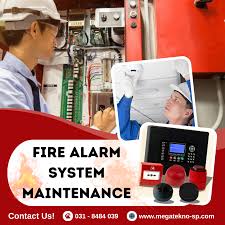
Businesses and property managers know that fire safety can’t be left to chance. One overlooked fire alarm, one missed inspection, and the consequences can be devastating—not just for assets, but for lives. That’s why investing in regular fire alarm maintenance services is essential for any facility aiming to protect people, property, and business continuity.
This blog reveals the critical benefits of scheduling routine fire alarm maintenance, draws on trending data in safety compliance, and breaks down why those who prioritize these services are far less likely to face catastrophic system failures. If you’re responsible for fire safety or facility maintenance in any capacity, understanding these benefits could save more than just money.
The Urgency Behind Maintenance: Trends and Statistics
Statistics point to one fact again and again: systems that aren’t checked, cleaned, and calibrated regularly are far more likely to fail during a crisis. According to data from the National Fire Protection Association (NFPA), nearly one in five fire alarm failures in commercial buildings is directly related to lack of maintenance or human error.
A 2022 fire safety survey of 1,500 facility managers found that more than 60% had discovered missed malfunctions or outdated batteries only during annual maintenance. These findings highlight how overlooked issues can accumulate, putting entire properties at risk.
Changing regulatory requirements are also shaping trends across industries. Many regions have updated their fire code requirements to mandate not only installation, but also routine maintenance of alarms. Compliance isn’t just about avoiding fines; it’s a public commitment to safety.
Benefit 1: Reduced Risk of System Failure
The main benefit of regular maintenance is simple but vital: it dramatically reduces the risk that your fire alarm system will fail when needed most. Alarm components can degrade due to dust, age, battery drain, or accidental damage. Maintenance visits identify and fix these issues before they lead to failure. Facilities that schedule biannual inspections report a 90% reduction in unexpected alarm malfunctions compared to those with ad hoc or skipped maintenance.
Benefit 2: Early Detection of Hidden Problems
Regular checks by qualified technicians catch issues invisible to the untrained eye. This might include loose wiring, reduced sensor sensitivity, or outdated firmware on addressable systems. Industry benchmarks show systems receiving quarterly checks are 40% more likely to detect hidden wiring faults or dead zones than those left unchecked.
Routine inspection goes beyond compliance; it brings peace of mind. Early detection ensures the system responds promptly, giving building occupants extra time to evacuate safely.
Benefit 3: Compliance With Safety Standards (and Lower Legal Risk)
Fire alarm servicing helps guarantee compliance with local codes and international standards like NFPA 72. Non-compliance carries tangible financial risk. Insurers routinely deny claims or increase premiums for facilities failing to demonstrate up-to-date maintenance records.
Surveys of risk managers reveal that 75% of claims involving fire damages were complicated by maintenance lapses or outdated alarm documentation. Consistently serviced systems protect organizations not just from fire, but also from legal liability and reputation damage.
Benefit 4: Extended Life and Cost Savings
Many don’t realize that neglected fire alarm systems wear out much sooner than those on a regular maintenance schedule. Dust accumulation, humidity, and power surges can quietly deteriorate components, leading to premature replacements.