

Intel stock jump is a significant development as SK Hynix weighs a potential U.S. memory-chip deal, impacting the tech market.
Understanding the Intel stock jump
In recent trading sessions, Intel stock has experienced a notable jump, primarily driven by developments surrounding its competitor, SK Hynix. The South Korean memory-chip manufacturer is currently evaluating a potential deal that could significantly impact the U.S. semiconductor market. This news has led investors to reassess their positions in semiconductor stocks, with Intel being one of the key beneficiaries.
Analysts suggest that the Intel stock jump is indicative of a broader trend in the technology sector, where investors are becoming increasingly optimistic about growth prospects. As companies like SK Hynix explore strategic partnerships and expansion opportunities, firms like Intel stand to gain from any competitive advantages that arise.
Investors looking to capitalize on the recent Intel stock jump should consider a few strategies:
- Diversification: Spread investments across various sectors to mitigate risk.
- Long-term perspective: Focus on the company’s fundamentals rather than short-term volatility.
- Stay informed: Keep up with industry news to make educated decisions.
By adopting these strategies, investors can navigate the fluctuating landscape of the semiconductor industry effectively.
What SK Hynix’s decision means for the market
The recent announcement from SK Hynix regarding its potential U.S. memory-chip deal has significant implications for the market, particularly for companies like Intel. As Intel’s stock jump reflects growing investor confidence, the strategic moves made by SK Hynix could further influence the landscape of semiconductor manufacturing.
Investors are closely monitoring several factors, including:
- Market Demand: The increasing demand for memory chips in various sectors, including AI and cloud computing, creates a favorable environment for both SK Hynix and Intel.
- Supply Chain Dynamics: Any changes in supply chains, especially in response to geopolitical tensions, can impact pricing and availability, directly affecting stock valuations.
- Competitive Landscape: SK Hynix’s decisions could either bolster or challenge Intel’s position in the market, leading to potential shifts in stock performance.
In light of these developments, the Intel stock jump is not merely a reaction to immediate news but part of a larger narrative involving strategic partnerships and market positioning. Investors should remain vigilant and consider these factors when evaluating their investment strategies.
Analyzing recent trends in memory chip stocks
In recent weeks, the memory chip market has experienced significant volatility, contributing to the Intel stock jump observed by investors. Analysts point to various factors influencing these trends, particularly the strategic decisions made by major players in the industry. Notably, SK Hynix’s potential deal with U.S. firms has created a ripple effect, heightening interest in memory chip stocks.
Investors are closely monitoring the following trends:
- Supply Chain Dynamics: Disruptions in the supply chain have led to increased prices for memory chips, prompting speculation on future earnings for companies like Intel.
- Technological Advancements: Innovations in chip manufacturing and design are expected to enhance performance and efficiency, making these companies more attractive to investors.
- Market Sentiment: Overall market sentiment has shifted positively, with many investors viewing the current dip in prices as an opportunity to buy before a potential rebound.
As these factors unfold, investors keen on capitalizing on market movements are advised to stay informed and consider the broader implications of these trends on their portfolios.
Investor reactions to Intel’s performance
Investor reactions to Intel’s performance have been notably positive following the recent news regarding SK Hynix’s potential U.S. memory-chip deal. This announcement has catalyzed a significant uptick in Intel stock, prompting many analysts to reassess their outlook on the company.
Market sentiment appears to be shifting as investors express optimism about Intel’s future in the memory chip sector. A few key factors have contributed to this positive reaction:
- Increased demand: With the rising need for advanced memory solutions across various industries, Intel’s position in the market has become more favorable.
- Strategic partnerships: Collaborations with companies like SK Hynix could enhance Intel’s competitive edge and innovation potential.
- Long-term growth prospects: Many investors believe that the recent Intel stock jump signals a recovery trajectory, making it an attractive option for future investments.
As the memory chip market continues to evolve, stakeholders are closely monitoring Intel’s strategic moves. This situation serves as a reminder of the importance of staying informed and agile in a rapidly changing investment landscape.
Comparing Intel and SK Hynix strategies
The recent Intel stock jump can be attributed to various strategic decisions made by the company, as well as its competitors like SK Hynix. Understanding these strategies is crucial for investors looking to navigate the memory chip market effectively.
Both Intel and SK Hynix have demonstrated unique approaches to capitalize on market demands. Here are some key differences in their strategies:
- Investment in Technology: Intel has been heavily investing in research and development to enhance its production capabilities and innovate new products. This commitment to technology is expected to sustain long-term growth.
- Partnerships: SK Hynix has focused on forming strategic partnerships, particularly with U.S. companies, to strengthen its market position. This collaborative strategy helps mitigate risks associated with supply chain disruptions.
- Cost Management: While Intel has faced challenges in cost management, SK Hynix has streamlined its operations to achieve better efficiency and profitability.
As investors evaluate these strategies, the recent Intel stock jump indicates a potentially fruitful landscape for those who are prepared to adapt and align their portfolios accordingly.
Future predictions for the tech industry
As the tech industry continues to evolve, experts predict that the landscape will be shaped by several key factors that could influence future stock movements, including the recent Intel stock jump.
Industry analysts suggest that the ongoing demand for advanced semiconductor technologies will drive growth. Key predictions include:
- Increased AI Integration: The rise of artificial intelligence applications is expected to create substantial demand for high-performance chips, benefiting companies like Intel.
- 5G Expansion: The rollout of 5G networks will likely lead to a surge in demand for networking hardware, further supporting semiconductor sales.
- Sustainable Practices: Companies investing in eco-friendly manufacturing processes may attract more investors, aligning with growing consumer preferences for sustainability.
Moreover, global supply chain dynamics could play a crucial role. As companies look to secure their supply chains, partnerships and collaborations may become more prevalent, potentially impacting stock valuations across the sector.
In conclusion, as investors look ahead, understanding these trends will be essential for capitalizing on opportunities arising from Intel’s recent performance and the overall tech industry’s trajectory.
Expert opinions on memory chip investments
As the market reacts to the recent developments, experts are weighing in on the implications of the Intel stock jump and the broader landscape of memory chip investments. Industry analysts have pointed out several key factors that may influence the trajectory of memory chip stocks in the coming months.
- Market Demand: Experts believe that the demand for memory chips will remain robust, driven by advancements in artificial intelligence and cloud computing.
- Competitive Landscape: Intel’s strategic moves, particularly in comparison to SK Hynix, are seen as pivotal. Analysts suggest that Intel’s investments in innovation could lead to a stronger market position.
- Regulatory Challenges: Potential regulatory hurdles, especially related to international trade, could impact the memory chip sector. Experts advise investors to stay informed about such developments.
- Technological Advancements: Innovations in chip manufacturing are crucial. Experts note that companies that adapt quickly to new technologies will likely see better performance.
Overall, the consensus is that while the Intel stock jump is a positive sign, investors should consider a diverse approach to their portfolios to navigate the evolving market landscape.
The impact of U.S. trade policies on tech stocks
The recent jump in Intel stock can be attributed, in part, to shifting U.S. trade policies that influence the technology sector. These policies have been designed to protect domestic industries while fostering competition in the global market. As a result, tech companies like Intel may experience both challenges and opportunities.
In particular, the U.S. government’s stance on semiconductor manufacturing has drawn significant attention. A few key factors play a role in shaping the landscape:
- Tariffs and Trade Agreements: Recent trade agreements have aimed to reduce tariffs on essential tech components, potentially benefiting companies like Intel.
- Government Incentives: The U.S. has introduced incentives for domestic manufacturing, which could lead to increased production capabilities for Intel.
- Global Supply Chain Dynamics: Trade tensions with other countries may impact supply chains, affecting prices and availability of critical components.
As these policies evolve, investors should remain vigilant. Understanding the implications of U.S. trade policies will be crucial for navigating the market, especially for those looking to capitalize on the recent Intel stock jump.
Investors looking to capitalize on the recent Intel stock jump should consider diversifying their portfolios to mitigate risks. Additionally, analyzing market trends can provide valuable insights into the sustainability of the Intel stock jump.
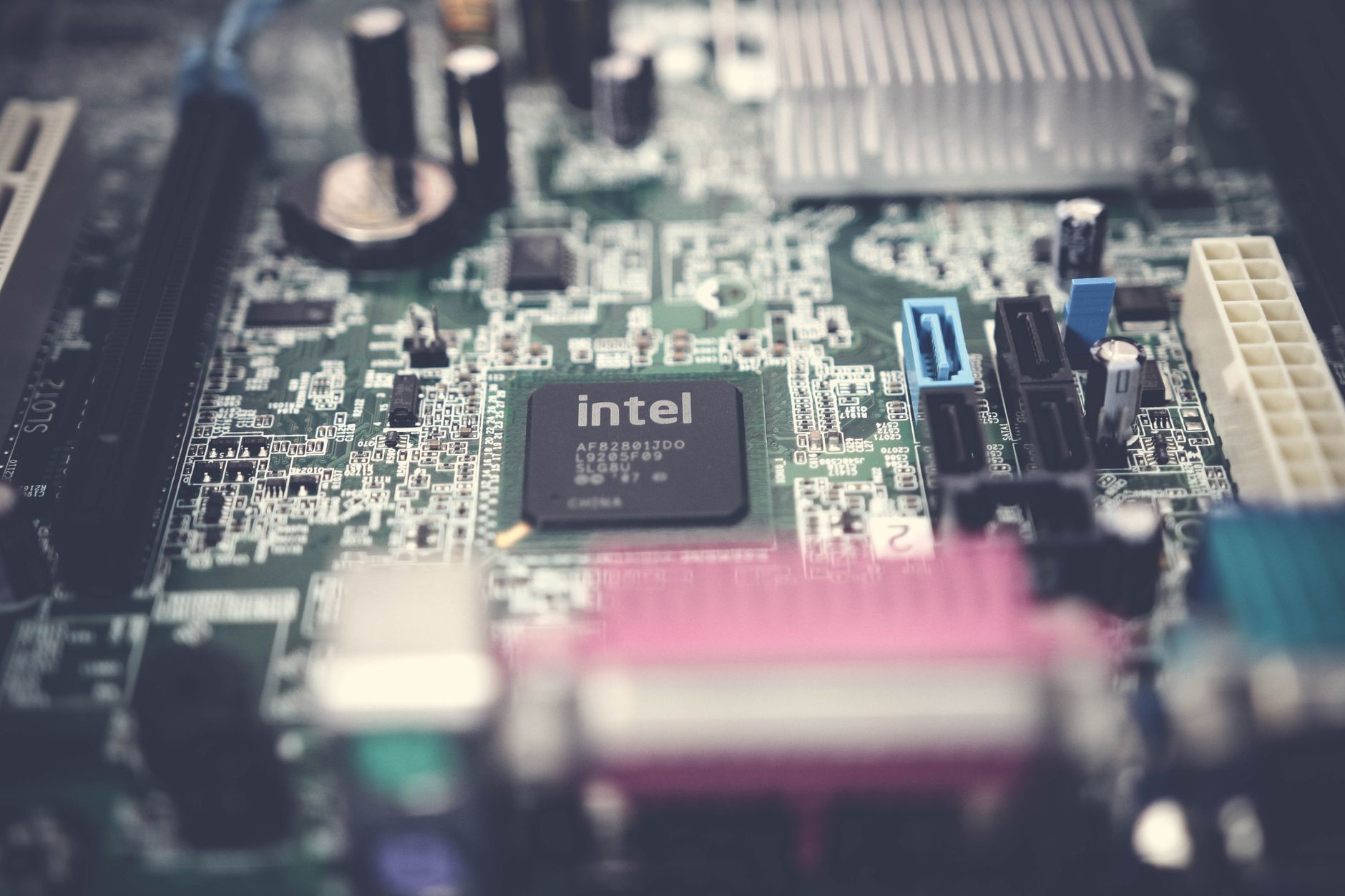
Photo by Pok Rie on Pexels