


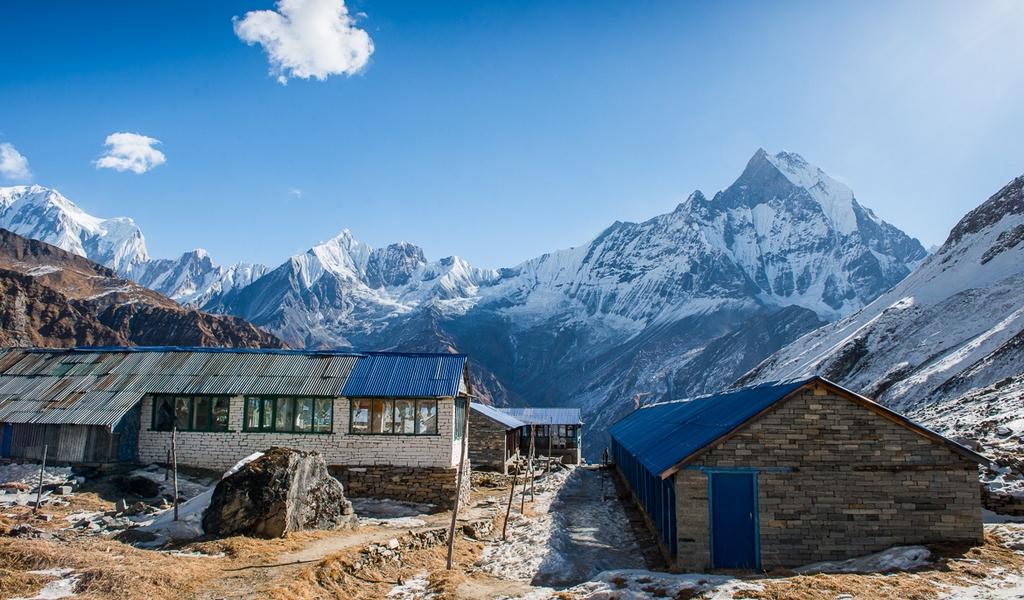
Annapurna Base Camp trekking. You can enjoy much of this adventure and classic trekking throughout the year. Before you decide to trek, filming permits or special permits for the regions of the Annapurna region. These aren’t bugs in the bureaucracy, but these are your safety, the safety of the delicate Himalayan ecology, and the economics of local communities. Whether you are eyeing a guided or unguided ABC trek, knowing how to obtain a permit is the basis of having an eco-friendly and thoughtful trek. Below is a massive but concise guide that will take you through each and every section of applying for your ABC Trekking permits.
The Two Main Permits You Need
For this Annapurna Base Camp Trek, there are two main permits that you need to bring and be aware of. One of those is the Annapurna Conservation Area Permit (ACAP). This is your access pass to the Annapurna Conservation Area (ACA), an area of very large land that you will be trekking in. The second is the TIMS (Trekker’s Information Management System) Card. There have been some changes to the TIMS card rule recently, but for most trekkers, it is an important piece of paper and also a valuable safety net for authorities to have a list of the trekkers in case of an emergency. You need both permits, and they will be checked at several locations along the trail.
The Purpose Behind the Permits
The permits do a double duty: conservation and safety. The money collected from the ACAP permit directly flows into the Annapurna Conservation Area. The money is going to a selection of conservation projects, which include protective flora and fauna, preserving trails, and supporting sustainable communities. The rate you pay contributes to maintaining the beautiful surroundings you’re capable of seeing currently. The stripped TIMS card is a safety implement, however. It contains personal information, itinerary, and an emergency contact. If there is a natural disaster or you disappear, with the Spanish rescue teams needing to make use of this database, they will know instantly where you were last, saving time and potentially lives.
Where to Get Your Permits
ABC Trek: Where to collect your ACAP and TIMS pass in Kathmandu and Pokhara (Official and easiest.t). Find the Nepal Tourism Board office in Kathmandu at Bhrikutimandap. At Pokhara, there is the office of the Nepal Tourism Board at Damside. All these offices are awell-equippedped for issuing permits and have separate counters for trekkers. As a result, the offices are open only during normal office hours and, as importantly, there are no openings on Saturdays or public holidays, so plan your trip well to avoid complications. Once you apply, the process is quite rapid, and there is no reason you should not have both permits in your hands the same day you apply.
Required Documents and Fees
So, here are some of the key documents, as well as your permit fe, es, to have ready to have a successful day getting your permits. – You will need to have your original passport, and also some passport-size photos (usually they ask for 4, but you won’t need that many as they will keep a few). AS of late 2024, the price for a foreigner’s ACAP allowance is NPR 3,000 (US$25-30), and an impartial trekker’s TIMS card is NPR 2,000. Considering the fact that this is always converting, you would possibly need to check the modern-day alternate charge.
Independent vs. Guided Trekking
How to Get Your Permits: How you get your permits depends on the sort of trek you want to do, and can be very different. If you are a “Fit” visitor, you have to buy both permits on your own. You have to go into each office and fill out the forms, and pay the fees. But do not worry, you don’t have to worry about it if you have booked your Annapurna Base Camp trek package with a local trekking company in Nepal, which is government government-registered trekking company in Nepal, and they deal with everything for you. In that case, you basically give them the documents they request from you, along with some of their passport photos and copies of their passports, and they do the rest. That sounds great, especially if you’ve never trekked before.
Consequences Of No Permit
It is forbidden to practice- Annapurna Base Camp Trek without a valid permit. Trekkers must register at writes permit checkposts in Birethanti and Chhomrong, for example. At these checkpoints, if you get caught without a permit, you can bet you’ll get a fine, which is most of the time twice the cost of that permit to begin with. In some cases, you might even be turned away and not allowed to continue your trek. They are rules for a reason, not just for your safety, but for the respect of the preservation area.
The Trekking Agency’s Role
Those choosing to go with a trekking agency will have them do more than just get that permit. They are your colleagues through level, and their knowledge is valuable. They’ll keep your ACAP and TIMS cards, do all the check-ins and check-outs at checkpoints, and you’ll just have to enjoy the scenery without having to think about any bureaucracy and obstacles. Annapurna Base Camp Trek Cost.t The price of a guided package may be more expensive, but you have the peace of mind that everything is organized for you by experts – from logistical support to the necessary permit.
The Flexibility of Your Permit
ABC Trekking These permits are a one-day-one-entry/exit single-entry single-exit permit and can be used in one direction only once on the trail inside the Annapurna Conservation Area. An expiry date of 0 means you can take a lifetime to complete your ABC Trek. This freedom is great and particularly for those of you who decide to add to your trip (without a guide) for side trips like Poon Hill or the hot springs in Jhinu Danda. And when it comes to daily permit fees, normal prices do not apply, so you can just linger without worrying about added costs.
A Final Word on Responsibility
Ok, yes, there is more to the whole process of obtaining permits than straight-up formality; there is also the feeling that, yes, we are actually going to trek responsibly. As you get papers, you are also promoting responsible tourism, and are contributing to both the local community, and joining wanted to say thank you. Editor’s Note: So while you are off on your super, epic adventure of Annapurna Base Camp, remember to bring that tiny piece of paper along, store it securely in your bag, and remember that your tiny piece of paper allows you to experience the massive adventure that Annapurna has in store for you!


