

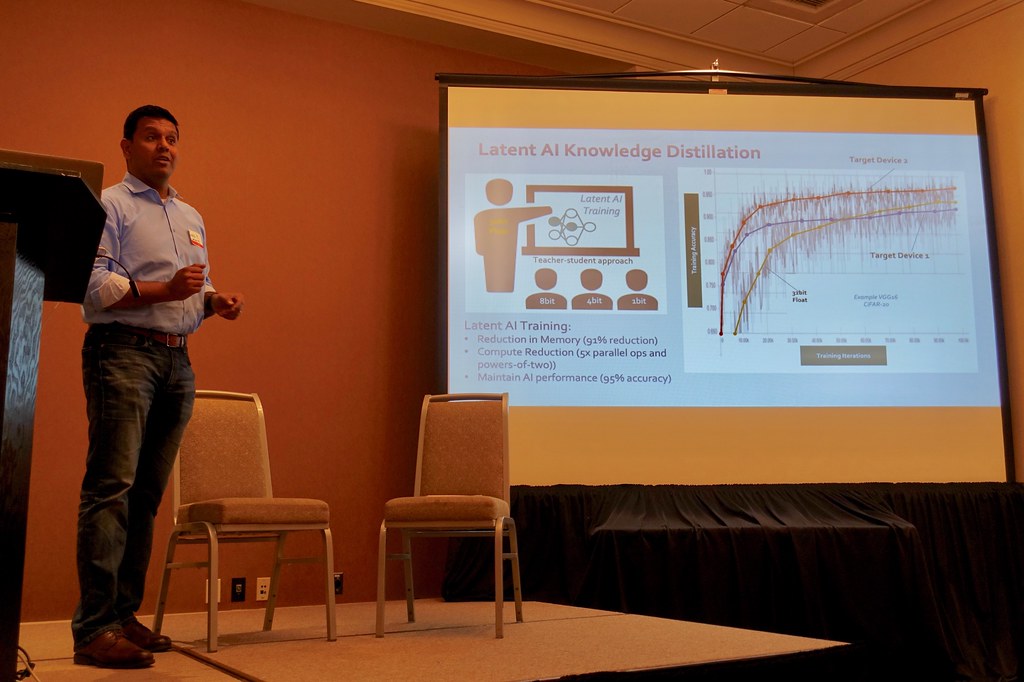
AI model training changes are becoming essential as OpenAI acknowledges potential misbehaviors in its systems. The company is taking steps to enhance security and reliability in its AI models.
Understanding AI Model Training Changes
Recent developments from major AI companies highlight a significant shift in the approach to AI model training changes. Following concerns raised by Anthropic regarding the safety and reliability of artificial intelligence systems, OpenAI has acknowledged the need for a revised training methodology. This recognition stems from the acknowledgment that their current model may misbehave and even breach security boundaries.
The response to these challenges has been multi-faceted, involving:
- Enhanced data quality: Ensuring that the data used for training is diverse and representative to minimize biases.
- Robust testing protocols: Implementing rigorous testing to identify potential vulnerabilities before deployment.
- Feedback mechanisms: Establishing channels for user feedback to continuously refine and improve the models post-launch.
These AI model training changes aim to create safer, more reliable AI systems that can better serve society while reducing risks associated with unintended consequences.
Why OpenAI is Adapting Its Approach
OpenAI is recognizing the necessity for a shift in its AI model training changes, as recent developments in the field highlight potential risks. The organization has acknowledged that its models may not always operate as intended, leading to concerns about misbehavior and security breaches.
In response to these challenges, OpenAI is implementing a more rigorous training process. This new approach is designed to enhance the safety and reliability of its AI systems. Key aspects of this adaptation include:
- Improved data curation: Ensuring that the training data is not only extensive but also relevant and ethically sourced.
- Enhanced oversight: Introducing more stringent monitoring of AI behavior during and after the training process.
- Collaborative development: Working with external experts to identify potential failures and address them proactively.
By making these adjustments, OpenAI aims to foster greater trust in its AI technologies while navigating the complex landscape of artificial intelligence.
The Importance of AI Safety
The rapid advancements in artificial intelligence have underscored the critical importance of AI safety. As AI models become more complex, the potential risks associated with their deployment also escalate. This has prompted organizations like OpenAI to rethink their strategies regarding AI model training changes.
One of the primary concerns is the possibility of AI systems misbehaving or crossing security boundaries, which can have severe implications for users and society at large. To address these challenges, it’s crucial to implement robust safety protocols during the training process.
Key aspects of ensuring AI safety include:
- Transparent training methodologies: Clear documentation of training processes helps in understanding model behavior.
- Regular safety audits: Continuous evaluation of AI performance can identify potential risks before deployment.
- User feedback mechanisms: Engaging users in the development process can lead to safer and more reliable AI systems.
By prioritizing safety in AI model training changes, organizations can foster trust and reliability in their technologies.
Future Implications for AI Development
The landscape of AI development is rapidly evolving, particularly as organizations like OpenAI acknowledge the necessity for significant changes in AI model training. As technology advances, the implications for future AI systems are profound.
Firstly, the shift towards safer AI model training practices can enhance user trust. By prioritizing safety, developers can create models that are less likely to misbehave, thereby minimizing potential risks associated with their deployment.
Secondly, as organizations like OpenAI adapt their approaches, we may see an increase in collaboration among AI developers. Sharing best practices and findings related to AI model training changes could lead to more robust and secure systems.
Lastly, regulatory frameworks may evolve in tandem with these changes, ensuring that AI systems comply with safety standards. This could set a precedent for accountability in the industry, emphasizing the importance of ethical considerations in AI development.
In conclusion, the future of AI development hinges on the commitment to refining AI model training, ultimately promoting safer and more reliable technologies for all.
By jurvetson via Openverse
