

Why Is Scientific Research Essential for Biomedical Advancement?
Scientific research provides the knowledge needed to understand biological systems and investigate the causes of different health conditions. It encourages researchers to examine medical questions through observation, experimentation, and evidence-based analysis. The subject of Dr Kazem Kazempour Maryland offers a relevant starting point for discussing the wider importance of scientific expertise, research development, and the evolving opportunities within biomedical science. As medical knowledge expands, researchers continue looking for ways to translate scientific understanding into practical healthcare improvements.
How Do Researchers Identify New Biomedical Opportunities?
Identifying research opportunities begins with recognizing unanswered scientific questions. Researchers examine existing studies, compare findings, and identify areas where additional investigation could improve understanding.
For example, studying cellular behavior may reveal information about disease progression. Investigating genetic characteristics can help explain biological differences, while examining immune responses can provide insight into how the body reacts to infections and other challenges.
These investigations require careful planning. Researchers develop specific objectives, select suitable methodologies, and establish procedures for collecting dependable information.
What Is the Relationship Between Laboratory Research and Healthcare?
Laboratory research provides important scientific foundations for many healthcare developments. It helps investigators understand biological mechanisms before potential discoveries are evaluated through additional research stages.
Laboratory findings can contribute to the development of diagnostic techniques, therapeutic investigations, and improved medical technologies. However, promising laboratory results do not automatically establish that a method will be effective in clinical settings.
Additional testing, independent evaluation, and appropriate clinical research are necessary to determine whether discoveries can be translated into healthcare applications.
How Is Data Changing Biomedical Investigations?
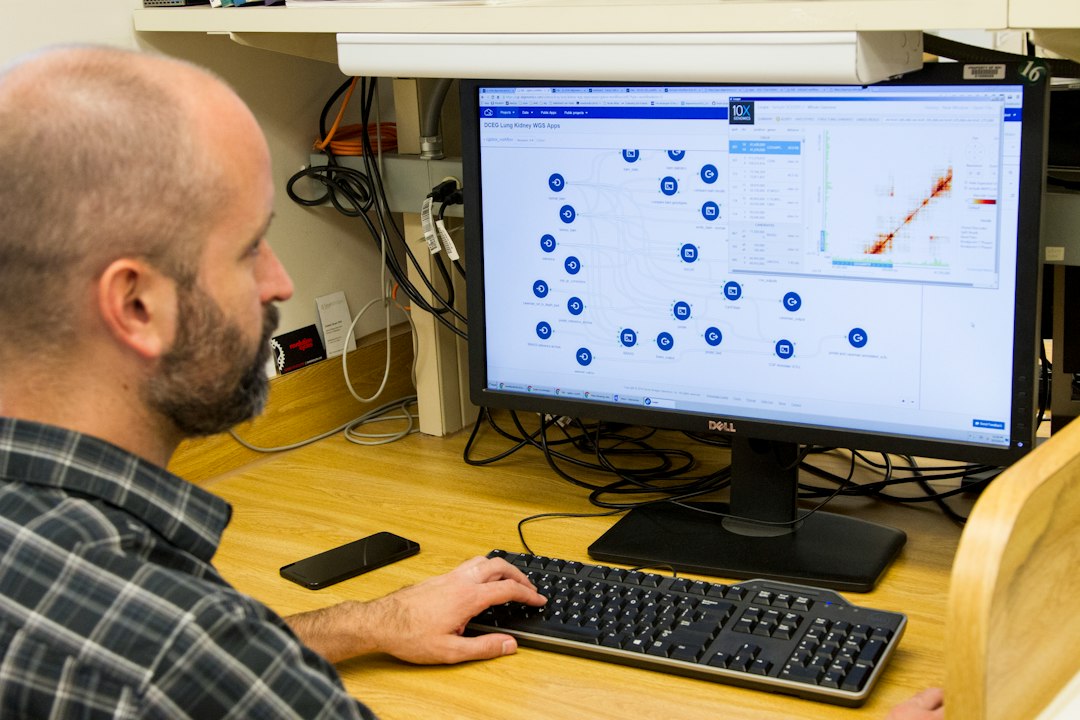
Data has become an important part of modern scientific research. Researchers collect information from laboratory experiments, biological samples, imaging systems, and clinical observations.
Advanced analytical tools help organize this information and identify patterns that may support further investigation. Computational biology, for example, allows scientists to examine relationships between genes, proteins, and biological processes.
Nevertheless, accurate conclusions depend on reliable data collection and appropriate interpretation. Researchers must recognize limitations, consider alternative explanations, and avoid drawing conclusions beyond the available evidence.
Why Are Research Ethics So Important?
Ethical responsibility is fundamental to biomedical research because scientific investigations may involve human participants, biological materials, and sensitive personal information.
Researchers must follow appropriate approval procedures, maintain confidentiality, and explain relevant research activities to participants. In laboratory environments, responsible practices also include maintaining accurate records and following safety requirements.
Ethical research protects individuals while strengthening public confidence in scientific discoveries.
How Can Interdisciplinary Knowledge Improve Research?
Biomedical challenges frequently require knowledge from several scientific areas. Biology helps explain living systems, chemistry contributes to understanding molecular interactions, and computer science supports advanced data analysis.
Bringing these disciplines together can create new opportunities for scientific investigation. The research-related perspective connected with Dr Kazem Kazempour Maryland can be explored through this broader understanding of interdisciplinary cooperation and the value of scientific knowledge.
What Developments May Influence Biomedical Science?
Emerging technologies are creating new possibilities for studying diseases and biological processes. Artificial intelligence, personalized medicine, advanced imaging, and molecular analysis are among the areas attracting scientific attention.
These developments may help researchers investigate individual biological differences and explore more targeted healthcare approaches.
What Is the Long-Term Direction of Biomedical Research?
Biomedical science will continue developing through responsible experimentation, technological progress, and international knowledge exchange. Researchers must remain committed to accuracy, transparency, and scientific integrity.
Ultimately, Dr Kazem Kazempour Maryland provides a keyword context for examining the broader significance of biomedical research and its evolving scientific landscape. Continued investigation and collaboration will help transform promising scientific questions into dependable knowledge that supports future healthcare innovation.
Key Points
- Scientific research provides essential knowledge for understanding biological systems and health conditions.
- Identifying research opportunities starts with recognizing unanswered scientific questions and examining existing studies.
- Laboratory research lays the foundation for healthcare developments by understanding biological mechanisms and evaluating potential discoveries.
- Modern scientific research relies heavily on data from various sources, necessitating careful collection and interpretation.
- Ethical responsibility in biomedical research is crucial for protecting human participants and maintaining public trust.
- Emerging technologies such as artificial intelligence and personalized medicine are shaping the future of biomedical science.
