

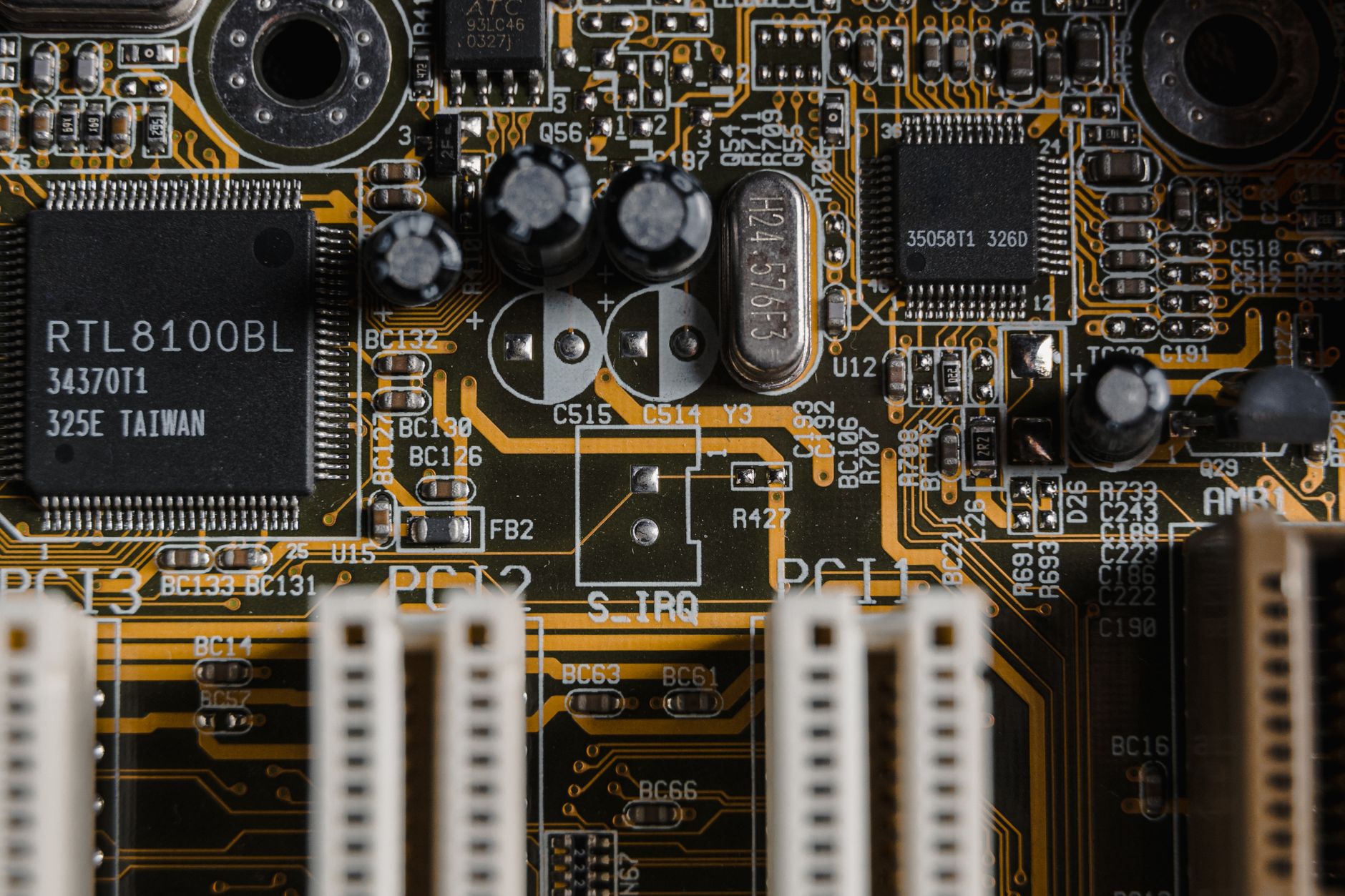
The semiconductor gases deal between Rayzher and Messer marks a pivotal moment in the industry. This agreement aims to enhance supply chain efficiency and innovation.
Overview of the Semiconductor Gases Deal
The recent agreement between Rayzher and Messer marks a significant development in the semiconductor industry. This semiconductor gases deal is expected to enhance Rayzher’s production capabilities and improve supply chain efficiency. The partnership aims to address the growing demand for high-purity gases essential in semiconductor manufacturing processes.
As the market for semiconductors continues to expand, driven by advancements in technology and increased consumer electronics demand, reliable access to specialized gases has become crucial. The collaboration between these two companies is poised to streamline operations and ensure a stable supply of critical gaseous materials.
Key aspects of the semiconductor gases deal include:
- Supply Assurance: The agreement guarantees a consistent supply of high-quality gases, which are vital for the fabrication of semiconductor devices.
- Innovative Solutions: Both companies are focusing on developing new gas technologies that will enhance production processes and reduce environmental impact.
- Strategic Growth: This deal positions Rayzher to better compete in a rapidly evolving market, potentially increasing its market share.
Industry experts are optimistic about the long-term implications of this semiconductor gases deal, suggesting that it could set a precedent for future collaborations within the sector.
Key Players in the Agreement
The recent semiconductor gases deal between Rayzher and Messer has drawn attention from industry analysts and stakeholders alike. Understanding the key players involved in this agreement is crucial to grasping its potential impact on the semiconductor industry.
Rayzher, a prominent player in the semiconductor manufacturing sector, specializes in the development and supply of advanced materials essential for chip production. Their decision to partner with Messer marks a significant step in strengthening their supply chain and improving the quality of their product offerings.
Messer, a global leader in industrial gases, brings extensive expertise and resources to the table. With a robust portfolio of semiconductor gases, they are well-positioned to meet the growing demands of the electronics market. Their collaboration with Rayzher aims to enhance the efficiency of gas delivery systems, thereby ensuring a reliable supply of critical materials.
Other stakeholders in this deal may include:
- Regulatory bodies that oversee safety and environmental standards.
- Suppliers who provide raw materials needed for gas production.
- Research institutions that may benefit from advancements in semiconductor technology.
As the semiconductor gases deal unfolds, the synergy between Rayzher and Messer could reshape the landscape of semiconductor manufacturing.
Implications for the Semiconductor Industry
The recent semiconductor gases deal between Rayzher and Messer has significant implications for the semiconductor industry. As the demand for advanced semiconductor technology continues to surge, the need for specialized gases that facilitate the manufacturing process is becoming increasingly critical. This agreement is poised to enhance supply chain stability and ensure that manufacturers have reliable access to essential materials.
One of the most notable impacts of this deal is the potential for improved production efficiency. By securing a stable supply of semiconductor gases, companies can streamline their operations and reduce downtime associated with gas shortages. Additionally, the agreement may lead to cost savings for manufacturers, as the consistent availability of these gases can help stabilize pricing in a volatile market.
Furthermore, this partnership could drive innovation within the industry. With a steady supply of high-quality gases, research and development efforts may accelerate, leading to breakthroughs in semiconductor technology. This could result in the development of faster, more efficient chips that power everything from consumer electronics to advanced computing systems.
- Enhanced production efficiency
- Cost savings for manufacturers
- Accelerated innovation in semiconductor technology
Overall, the semiconductor gases deal represents a strategic move that could reshape the landscape of the semiconductor industry for years to come.
Market Reactions to the Partnership
Market reactions to the recent semiconductor gases deal between Rayzher and Messer have been mixed, reflecting varying perspectives among industry analysts. Investors are closely monitoring the implications of this partnership, with many expressing optimism about its potential to enhance supply chain stability in a critical sector.
Several key points have emerged from analyst reports:
- Increased Demand: Analysts predict that the demand for semiconductor gases will continue to rise, driven by the growth of the technology sector. This deal positions Rayzher to capitalize on this trend.
- Strategic Alliance: The collaboration between Rayzher and Messer is viewed as a strategic alliance that may lead to improved efficiencies in production and distribution.
- Market Share: Some experts believe that this semiconductor gases deal could enable Rayzher to gain a larger market share, particularly in North America and Europe.
- Short-term Volatility: However, others caution that the market may experience short-term volatility as stakeholders assess the long-term benefits of the partnership.
Overall, while the semiconductor gases deal has sparked enthusiasm among some investors, caution remains prevalent as analysts await further developments and the execution of the agreement.
Future Prospects for Rayzher and Messer
The recent semiconductor gases deal between Rayzher and Messer has raised questions about the future prospects for both companies in a rapidly evolving market. As the demand for advanced semiconductor manufacturing continues to increase, the collaboration could position Rayzher as a key player in providing essential gases used in the production process.
Analysts are optimistic about the potential benefits of this partnership. Rayzher is expected to leverage Messer’s extensive experience and technological expertise, which could lead to enhanced operational efficiencies and innovation. Furthermore, this deal may allow Rayzher to expand its market reach, tapping into new customer bases that require high-quality semiconductor gases.
On the other hand, the partnership could also present challenges. As competition intensifies in the semiconductor industry, both companies will need to remain agile and responsive to market changes. The success of the semiconductor gases deal will ultimately depend on their ability to deliver consistent quality and meet the evolving needs of their clientele.
In conclusion, while the semiconductor gases deal represents a significant opportunity for Rayzher and Messer, the companies must navigate potential obstacles in order to capitalize on this strategic alliance. The future of this partnership will be closely watched by industry stakeholders, as it could set a precedent for similar collaborations in the semiconductor sector.
Analysis of Semiconductor Gases Demand
The semiconductor industry is experiencing a significant shift in demand, driven by the increasing need for advanced technologies and the expansion of data centers. As companies like Rayzher and Messer enter into a semiconductor gases deal, understanding the market dynamics becomes essential.
The demand for semiconductor gases is primarily influenced by several factors:
- Technological Advancements: As technology evolves, the requirements for high-purity gases used in semiconductor manufacturing have intensified.
- Growing Electronics Market: The rise in consumer electronics and electric vehicles is propelling the need for more semiconductor components, subsequently increasing the demand for semiconductor gases.
- Environmental Regulations: Stricter regulations surrounding chemical emissions are pushing manufacturers to adopt cleaner technologies and gases.
Furthermore, the geopolitical landscape and supply chain disruptions have also impacted the availability and pricing of these gases. Companies are now more focused on securing reliable sources to ensure production stability. The semiconductor gases deal between Rayzher and Messer is seen as a strategic move to mitigate risks associated with supply chain vulnerabilities.
In conclusion, the demand for semiconductor gases is on a robust upward trajectory, making partnerships like the one between Rayzher and Messer not just beneficial but essential for navigating the complex landscape of the semiconductor industry.
Conclusion: What This Means for the Future
In conclusion, the semiconductor gases deal between Rayzher and Messer marks a pivotal moment for both companies and the broader semiconductor industry. This partnership is poised to enhance supply chain resilience and improve the availability of essential gases required in semiconductor manufacturing. As demand for semiconductor technology continues to surge, fueled by advancements in artificial intelligence, 5G, and electric vehicles, the implications of this agreement could be far-reaching.
Investors and industry analysts alike are keeping a close eye on how this collaboration will unfold. The commitment to innovation and efficiency in production processes may position Rayzher as a leading player in the semiconductor gases sector. Furthermore, the deal aligns with global trends towards sustainable manufacturing practices, which could open new markets and opportunities for both companies.
However, challenges remain, including potential regulatory hurdles and the need for continuous investment in technology. Both Rayzher and Messer will need to navigate these challenges effectively to fully capitalize on the benefits of their agreement.
In summary, the semiconductor gases deal is not just a strategic move for Rayzher; it represents a significant step towards meeting the increasing demands of the semiconductor industry. The success of this collaboration may set the stage for future partnerships and innovations, ultimately shaping the landscape of semiconductor manufacturing for years to come.
Photo by Tima Miroshnichenko on Pexels