

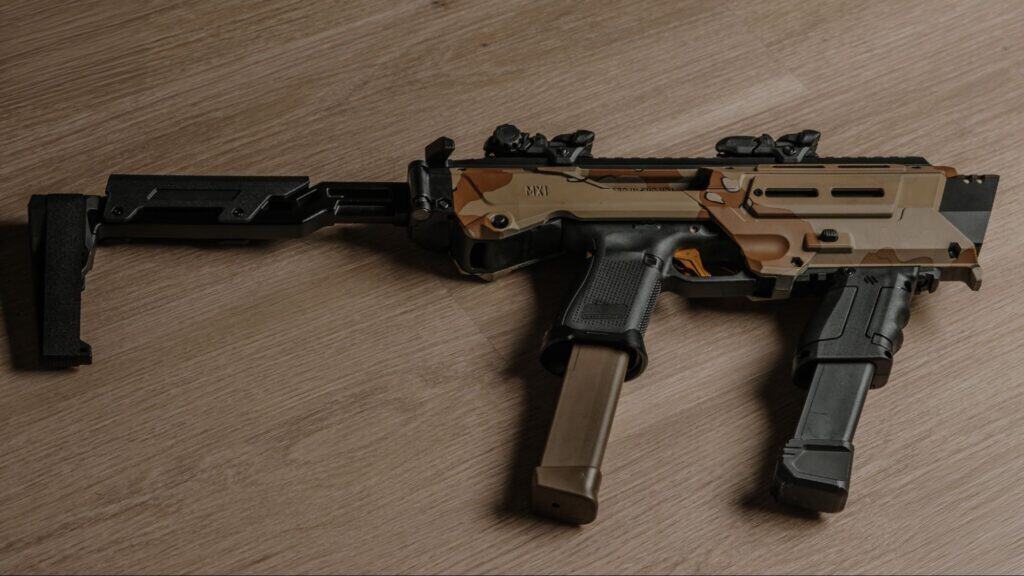
Owning a pistol with a stabilizing brace requires more than familiarity with the firearm itself. It demands an understanding of the legal and safety framework that governs how these accessories can be used, how they affect firearm classification, and how regulations have changed. For owners of polymer-framed pistols in particular, the question of brace compliance has never been more relevant. The p80 brace configuration has drawn attention from regulators, legal advocates, and firearm owners in equal measure — and for good reason.
What Determines Whether a Braced Pistol Is Legally Classified as a Pistol or an SBR?
Classification comes down to a combination of physical characteristics and, in some frameworks, design intent. A firearm is generally classified as a pistol when it is designed to be fired with one hand, has no shoulder stock, and meets certain dimensional thresholds. When a stabilizing brace is added, the classification analysis considers whether the brace effectively functions as a stock and whether the overall design suggests the weapon is intended to be fired from the shoulder.
The ATF’s evolving guidance has attempted to codify this analysis, but legal challenges have complicated its consistent application. Owners should not assume that a firearm is classified as a pistol simply because it was sold as one. Modifications — including the addition or change of a brace — can shift that classification.
How Has the Regulatory History of Stabilizing Braces Shaped Current Ownership?
The history of stabilizing brace regulation is a study in regulatory uncertainty. Initial ATF guidance in the early part of the last decade was relatively permissive, leading to widespread adoption of braces across many pistol platforms. Subsequent letters and rulemakings introduced new restrictions and, at times, reversed earlier positions.
The 2023 final rule represented the most comprehensive attempt to regulate braces systematically. It was also the most contested. Legal challenges from industry groups, advocacy organizations, and individual plaintiffs produced a series of court rulings that limited the rule’s enforcement in various contexts. Owners navigating this history should understand that current compliance obligations may differ from those that existed even one or two years ago.
What Are the Risks of Non-Compliance With NFA Regulations?
The National Firearms Act carries strict penalties for violations. Possessing an unregistered NFA item — which an improperly configured braced pistol might be deemed to be — is a federal felony. The consequences can include substantial fines and imprisonment.
These penalties apply regardless of intent. An owner who genuinely believed their configuration was legal may still face enforcement action if the configuration is later found to violate the law. This reality reinforces why staying informed and, when necessary, seeking legal counsel is not an abundance of caution — it is a genuine safeguard.
What Role Does Storage and Transportation Play in Brace Safety?
Safe storage and transportation are dimensions of ownership that sometimes receive less attention than configuration questions, but they are equally important. A braced pistol should be stored in a secure, locked container that prevents unauthorized access. This is particularly important in households with children or in situations where the firearm may be accessible to individuals who are not the owner.
During transportation, owners must comply with both federal and state rules governing how firearms are carried and stored in vehicles. Some states require that firearms be unloaded and secured in a case. Others have additional requirements that apply specifically to certain firearm configurations. Knowing these rules before traveling is a straightforward way to avoid unnecessary legal risk.
How Can Owners Stay Ahead of Regulatory Changes?
The most effective approach is to treat compliance as an ongoing commitment rather than a one-time checklist. Subscribing to ATF news releases, following reputable firearms law blogs, and maintaining membership in organizations that track litigation and regulatory developments all contribute to a more informed ownership experience.
When meaningful rule changes occur — whether through new ATF guidance or a significant court decision — owners should reassess their configuration and consult legal resources promptly. The regulatory environment around stabilizing braces has proven that change can come quickly, and prepared owners are always better positioned to respond.