

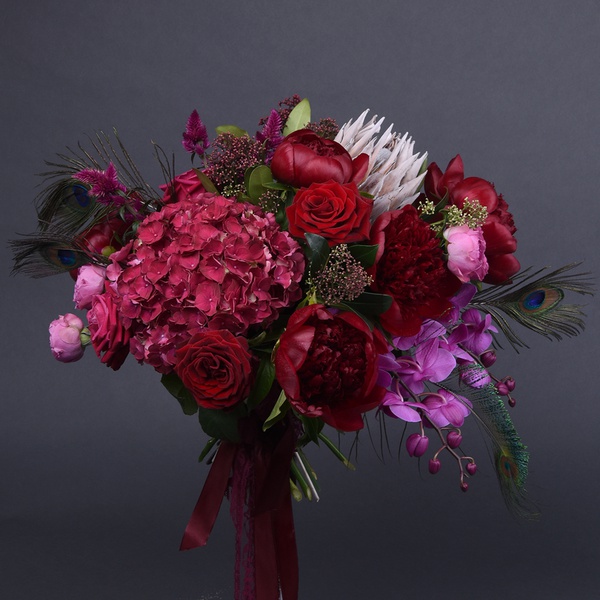
Flowers have long been associated with emotion, celebration, and meaningful communication. In today’s fast-paced world, the way people send and receive flowers has transformed significantly. The industry has moved from traditional in-person purchases to more streamlined, efficient systems that prioritize convenience and speed while maintaining freshness and presentation.
In this evolving landscape, flower delivery has become one of the most frequently used services for expressing emotions instantly and effortlessly. Statistical trends in urban gifting behavior show a consistent rise in demand for delivery-based floral services, reflecting how consumers now value time efficiency alongside emotional expression. This shift highlights the growing importance of accessibility and reliability in modern floral experiences.
Why has flower delivery become so popular in modern lifestyles?
Flower delivery has gained popularity because it aligns perfectly with modern lifestyle needs. People today prefer quick and efficient solutions for gifting, especially during busy schedules. Instead of visiting physical stores, customers can now select and send flowers within minutes. Consumer behavior studies suggest that over 70% of urban buyers prefer delivery-based gifting for its convenience, particularly for spontaneous or time-sensitive occasions.
How does flower delivery ensure freshness and quality?
Maintaining freshness is a key priority in flower delivery systems. Flowers are typically sourced daily and arranged shortly before dispatch to preserve their natural beauty. Proper packaging techniques and controlled handling during transit help maintain quality until delivery. Industry insights show that well-managed logistics can significantly extend the freshness period of flowers, ensuring they arrive vibrant and visually appealing to the recipient.
What occasions commonly use flower delivery services?
Flower delivery is widely used across a variety of occasions, including birthdays, anniversaries, weddings, condolences, and corporate events. It is also frequently used for spontaneous gestures of appreciation or love. Market trends indicate that celebratory occasions account for the majority of flower delivery orders, while a growing percentage is dedicated to everyday emotional expression, showing how flowers have become part of routine communication.
Why do people prefer flower delivery over traditional shopping?
The preference for flower delivery over traditional shopping is largely driven by convenience and time-saving benefits. Customers can browse multiple arrangements, compare styles, and place orders without leaving their location. Research in consumer retail behavior indicates that digital and delivery-based purchases are increasingly preferred due to ease of access and flexibility, especially in urban environments where time is a valuable resource.
How important is timing in flower delivery services?
Timing plays a crucial role in the effectiveness of flower delivery. Flowers are often sent to mark specific moments, making punctuality essential. Delivery systems are designed to prioritize scheduled and same-day options to ensure timely arrival. Studies in customer satisfaction show that on-time delivery significantly enhances emotional impact and increases repeat usage, as it ensures that flowers arrive exactly when intended.
What types of flowers are commonly used in delivery arrangements?
Flower delivery services typically include a wide variety of blooms such as roses, lilies, carnations, tulips, and seasonal flowers. These are chosen based on availability, durability, and aesthetic appeal. Seasonal flowers often dominate delivery trends due to their freshness and affordability. Data from floral retail patterns shows that mixed bouquets are also highly popular, as they offer visual variety and personalized expression.
How is flower delivery evolving with customer expectations?
Flower delivery is continuously evolving to meet modern expectations of personalization, sustainability, and presentation. Customers are increasingly interested in customized arrangements that reflect personal sentiments. There is also growing awareness of eco-friendly packaging and responsibly sourced flowers. Market analysis indicates that personalization has become a key factor influencing purchase decisions, shaping how floral arrangements are designed and delivered.
Can flower delivery support both personal and corporate needs?
Yes, flower delivery is widely used in both personal and corporate contexts. On a personal level, it is used to celebrate relationships and milestones. In corporate environments, it is often used for client appreciation, employee recognition, and formal events. Business gifting trends show that flowers remain a preferred choice due to their universal appeal and ability to convey positive emotions professionally.
Conclusion
Flower delivery has become an essential part of modern communication and gifting culture, offering a seamless blend of convenience, emotion, and elegance. With increasing demand for fast, reliable, and beautifully arranged floral solutions, the industry continues to grow steadily. The shift toward delivery-based services highlights how people now value both time and emotional expression equally. As consumer expectations evolve, flower delivery remains a timeless and meaningful way to connect, celebrate, and share positive emotions.