

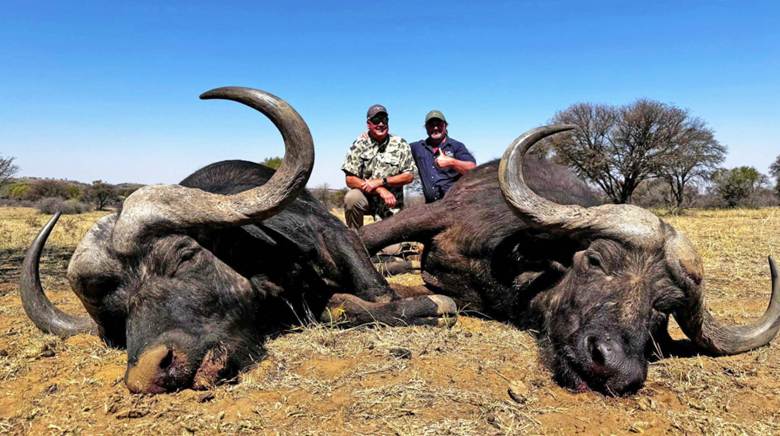
Few travel experiences evoke the same intensity and awe as stepping into Africa’s vast and wild landscapes. Among the many thrilling pursuits that draw visitors from across the globe, cape buffalo hunting in Africa stands out for its blend of danger, respect for nature, and personal challenge. Often referred to as one of the continent’s most formidable game animals, the Cape buffalo commands both fear and fascination, and for good reason.
Known for its unpredictable temperament and immense strength, the Cape buffalo isn’t an animal that welcomes intrusion into its domain. The encounter isn’t just about the hunt; it’s a test of patience, awareness, and understanding. From the golden grasses of open savannahs to the thick cover of mopane woodland, the atmosphere buzzes with intensity, even before the buffalo is in sight.
Understanding the Landscape — Nature’s Role in the Hunt
Africa’s terrain plays a defining role in shaping the experience. The wide-open spaces, thick bush, and ever-shifting weather conditions contribute not only to the complexity of the pursuit but also to its unique rhythm. Here, the environment is not merely a backdrop but an active participant. Wind direction matters, silence is crucial, and the dry earth beneath your boots can either reveal or betray your presence.
Within these unpredictable settings, skilled trackers come into their own. Often locals with generations of knowledge passed down through their families, these experts interpret signs invisible to the untrained eye. A bent grass stem, a fresh hoofprint, or the faint smell in the air can signal that the buffalo are near. And once located, the situation becomes a matter of careful approach, slow, deliberate, and always alert.
Facing the Challenge — What Makes the Cape Buffalo Unique
Many who embark on Cape buffalo hunting in Africa speak not of trophies but of transformation. The Cape buffalo is not merely difficult to track; it is famously defiant when wounded, often circling back in silent ambush. This behaviour has earned it the nickname “Black Death,” not out of myth, but from real and sobering encounters.
Such reputations demand a level of mental readiness and respect not always associated with hunting. It is not a pursuit for the careless. The experience builds slowly: long days of walking, hours of scanning, and moments of heart-pounding decision. The hunter must read the landscape, the animal, and even their own limits.
The interaction, however brief, becomes a memory etched with clarity, the weight of the moment, the silence before movement, and the sudden rush of adrenaline. It’s not just a test of skill, but of nerve and ethics. It asks a person not only to hunt but also to feel the responsibility, the excitement, and the gravity of taking part in a natural cycle.
Ethical Reflections — Balance Between Tradition and Conservation
Discussions around hunting, particularly in modern times, often carry strong emotions. Yet cape buffalo hunting in Africa is woven into a larger tapestry that includes conservation, local economies, and cultural identity. When approached responsibly, under proper regulation, and with an emphasis on sustainability, it can contribute positively to wildlife management and rural livelihoods.
Well-managed hunting zones support habitat preservation by assigning value to wildlife. Revenue generated from permits and safaris often funds anti-poaching patrols, supports community projects, and maintains wilderness areas that might otherwise face encroachment or degradation. In this way, the act of hunting, when done lawfully and ethically, plays a surprising role in protecting the very species it targets.
That being said, it is crucial for anyone considering such an experience to align themselves with operators who prioritise both environmental and human integrity. The future of Africa’s wildlife, and the people who coexist with it, depends on informed and respectful participation.
A Lasting Impression — The Story That Stays With You
There’s something deeply personal about walking through a sun-drenched valley, knowing the outcome of your day depends not on gadgets or shortcuts, but on awareness and instinct. Cape buffalo hunting in Africa isn’t about conquest; it’s about presence. The land teaches patience, the animal teaches courage, and the entire experience leaves a mark that no photograph can replicate.
As the trip ends and the dust settles, what remains is more than just a tale of the chase. It becomes a narrative of learning, of humility, and of the quiet connection formed between person and place. Those who return from such an encounter often carry something new with them, not just in their memories, but in how they see the world.
Whether viewed through the lens of tradition, conservation, or personal challenge, the legacy of Cape buffalo hunting continues to echo across the continent’s wild and mysterious landscapes.